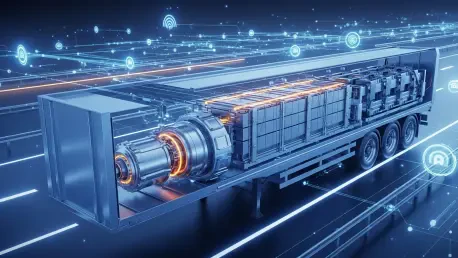

The global cold chain has long been held hostage by the volatile prices of fossil fuels and the heavy carbon footprint of diesel-powered cooling units that rumble across our highways. However, the recent unveiling of next-generation electrified platforms marks a definitive shift toward a quieter and cleaner logistics landscape. This transition is not merely a replacement of fuel tanks with batteries; it represents a fundamental redesign of how energy is harvested and utilized during transit. By integrating disparate power sources into a singular, intelligent ecosystem, manufacturers are finally addressing the inefficiencies that have plagued temperature-controlled transport for decades. This review examines the current state of these systems, focusing on how they balance environmental mandates with the harsh economic realities of modern freight.
Evolution and Fundamentals of Electrified Transport Refrigeration
The shift from diesel-dependent units to fully electrified systems represents the most significant change in transport refrigeration since the invention of mechanical cooling. Historically, refrigerated trailers relied on a secondary internal combustion engine to maintain temperatures, a setup that was both noisy and exempt from many of the stricter emission standards applied to primary truck engines. Modern electrified systems eliminate this secondary engine entirely, replacing it with a high-efficiency electric motor driven by a dedicated energy storage unit. This movement is a direct response to the global push for decarbonization, where the cold chain is identified as a critical area for reducing “Scope 3” emissions.
Beyond simple emission reductions, the evolution toward electrification is driven by the need for better operational control. Diesel units often suffer from mechanical wear and tear due to the constant vibrations of an onboard engine, whereas electric motors offer a much simpler architecture with fewer moving parts. This fundamental change in power delivery allows for more precise temperature regulation, which is vital for high-value pharmaceuticals and perishables. As the logistics industry adapts to increasingly stringent urban noise and pollution regulations, the electrified refrigeration unit has moved from a niche concept to a prerequisite for city-center distribution.
Core Architectural Components and Energy Systems
Integrated Multi-Source Energy Harvest Architecture
At the heart of the latest refrigeration platforms lies a sophisticated energy harvest architecture that differentiates it from older plug-in models. Instead of relying solely on a massive battery charged at a terminal, these systems utilize a three-pronged approach: rooftop solar photovoltaic panels, a regenerative e-axle, and traditional shore power. The regenerative e-axle is particularly innovative, as it converts the kinetic energy usually lost during braking or downhill travel back into usable electricity. This allows the trailer to generate power while in motion, effectively turning the vehicle into a mobile generator.
The rooftop solar panels provide a secondary layer of energy autonomy by maintaining a consistent trickle charge to the battery system even when the truck is stationary. While solar alone cannot power a high-demand cooling cycle, it significantly offsets the power draw of electronic controls and monitoring systems. This multi-source integration ensures that the refrigeration unit remains operational for longer periods without requiring a dedicated charging stop. For operators, this means a reduction in “range anxiety” for the cooling system, ensuring that the integrity of the cargo is never compromised by the lack of an available power grid.
High-Capacity Battery Storage and Power Management
The performance of an electrified cooling unit is ultimately dictated by its battery chemistry and the software that manages it. High-capacity lithium-ion or sodium-ion battery packs are now being engineered specifically for the vibrations and temperature extremes found in transport environments. These packs must offer high energy density to minimize the weight penalty, which is a major concern for fleet operators who must stay within legal payload limits. Advances in power management software have enabled these systems to dynamically adjust cooling intensity based on real-time data, such as ambient air temperature and historical route patterns.
Power management systems act as the brain of the trailer, balancing the input from solar and regenerative sources with the output required to maintain a set temperature. These systems can prioritize certain energy sources based on availability; for instance, using solar during a midday stop or maximizing e-axle capture during a mountainous descent. This level of intelligent distribution ensures that the battery remains at an optimal state of charge, prolonging the lifecycle of the cells and reducing the total cost of ownership over the vehicle’s lifespan.
Current Innovations and Industrial Trends
The industrial landscape for electrified refrigeration is currently undergoing a period of rapid consolidation and technical refinement. Significant strategic acquisitions, such as the recent absorption of specialized e-mobility firms by major energy players, have fast-tracked the development of unified energy management platforms. These platforms allow for a seamless data flow between the truck’s drivetrain and the trailer’s cooling unit. This trend toward vertical integration means that instead of having two separate systems competing for power, the entire vehicle operates as a synchronized energy consumer, maximizing every kilowatt harvested from the road.
Furthermore, the surge in Environmental, Social, and Governance (ESG) compliance is no longer just a marketing buzzword; it is a powerful driver for technological innovation. Large-scale retailers are now demanding that their logistics providers offer carbon-neutral transport options to satisfy investor pressure and regulatory requirements. This demand has led to a shift toward “refrigeration as a service,” where providers offer integrated energy and cooling solutions. The industry is moving away from selling hardware and toward offering comprehensive platforms that manage the energy lifecycle of the entire refrigerated fleet.
Real-World Applications and Market Deployment
Commercial deployment of these systems has moved beyond the pilot stage, with major retailers and long-haul providers integrating electrified trailers into their active fleets. In the retail sector, where frequent urban deliveries are the norm, the quiet operation of electric units allows for night-time deliveries without violating noise ordinances. Long-haul food logistics have also seen a successful transition, particularly on routes where regenerative braking can be maximized. Operational data from these deployments has shown that the units can maintain a consistent internal climate even in extreme heat, proving their reliability.
Unique use cases have emerged in regions with high diesel costs, where the transition is as much an economic decision as an environmental one. Pilot programs with logistics leaders like LC3 Trasporti have demonstrated that the higher upfront cost of an electrified unit can be recouped through significantly lower operating expenses. As diesel prices hover around record highs, the “fuel-free” nature of the electric trailer becomes its strongest selling point. These real-world results have validated the technology’s maturity, leading to full-scale commercial orders from companies that previously viewed electric cooling as a futuristic experiment.
Technical and Economic Barriers to Adoption
Despite the clear benefits, the path to universal adoption is blocked by several significant hurdles, most notably the high initial investment cost. An electrified trailer can cost significantly more than a traditional diesel unit, a gap that many smaller fleet operators find difficult to bridge without government subsidies or tax incentives. Additionally, the weight of the battery packs and the e-axle components can reduce the total payload capacity of the trailer by several hundred kilograms. In a business where every kilogram of freight counts toward profit, this weight penalty remains a point of contention for heavy-haul logistics.
Infrastructure requirements also pose a challenge, particularly for fleets that do not return to a central depot every night. While the e-axle and solar panels provide substantial autonomy, external charging is still necessary for intensive, multi-day operations. The current density of high-capacity charging stations for heavy-duty trailers is still lagging behind the rollout of the vehicles themselves. Developers are attempting to mitigate these issues by improving the efficiency of the energy harvest systems, aiming for a “net-zero” power draw where the trailer generates enough energy to sustain itself indefinitely under moderate conditions.
Future Outlook and Technological Trajectory
The trajectory of refrigerated transport is clearly pointed toward the total elimination of the diesel engine, a milestone that many analysts expect to see realized across most of Europe by the end of this decade. Future breakthroughs in solid-state battery chemistry or high-efficiency perovskite solar cells could further reduce the weight and increase the energy independence of these units. As these technologies mature, the cost of the electrical components is expected to drop, making the transition more accessible to a broader range of logistics providers.
The long-term impact of this shift will extend beyond simple decarbonization, potentially leading to more stable and resilient global supply chains. By removing the dependency on fluctuating fuel markets, logistics companies can provide more predictable pricing for their clients. In the coming years, we can expect the integration of artificial intelligence to further refine energy usage, predicting weather patterns and traffic conditions to pre-cool cargo using the most efficient energy source available. The electrified refrigeration unit is set to become an essential node in the smart, sustainable logistics network of the future.
Assessment and Final Conclusion
The transition toward electrified refrigeration systems represented a necessary and inevitable evolution of the global cold chain. By replacing the archaic diesel engine with an integrated energy ecosystem, the industry achieved a dual victory of environmental stewardship and long-term economic stability. The successful integration of solar and regenerative technologies proved that sustainable cooling was not only possible but also commercially viable on a massive scale. While challenges such as high initial costs and infrastructure gaps remained, the operational data from pilot programs provided a clear roadmap for resolving these limitations.
This technological shift served as a vital catalyst for the broader modernization of industrial transport. It moved the conversation from simple emission reduction to a complete rethinking of energy efficiency and resource management. In the end, the electrified refrigeration platform demonstrated that high performance and environmental responsibility were not mutually exclusive goals. As the market reached maturity, these systems set a new standard for excellence, ensuring that the logistics sector could meet the demands of a cleaner world without compromising the integrity of the food and medicine supply.