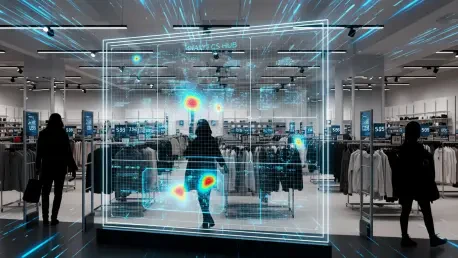

The physical retail landscape has undergone a radical transformation as traditional paper-based advertisements and static window displays are rapidly replaced by high-definition, interactive digital surfaces that command immediate attention. This shift represents more than a cosmetic update; it signifies a fundamental change in how brand narratives are delivered within the four walls of a storefront. As consumers become increasingly accustomed to the fluid, data-driven experiences found online, retailers are finding that digital displays are essential for maintaining relevance and capturing foot traffic. These systems empower store managers to adjust messaging in real-time, responding to weather changes, stock fluctuations, or local events with a few keystrokes. Consequently, the reliance on printed materials is fading as businesses prioritize the agility and visual impact offered by modern screen technology. This technological pivot ensures that the right message reaches the right customer at the optimal moment.
Market Growth and Digital Infrastructure: The Financial Trajectory
The valuation of the global in-store digital display market reflects this widespread adoption, with the sector currently standing at approximately $4.4 billion in 2026. Financial analysts project a robust trajectory for this industry, estimating that the market will reach a staggering $7.7 billion by the end of 2030. This growth is underpinned by the decreasing costs of high-quality LED and OLED panels, which have made large-scale deployments financially feasible for smaller retail chains and independent boutiques alike. Furthermore, the integration of touch-enabled kiosks and interactive mirrors has turned passive viewing into an active engagement tool, allowing shoppers to check inventory or request different sizes without leaving the fitting room. As the capital investment into these technologies yields higher conversion rates, the cycle of innovation continues to accelerate, drawing in diverse sectors from luxury fashion to big-box hardware stores.
Centralized control has become the backbone of modern digital signage, allowing a single headquarters to manage thousands of screens across a global network simultaneously. By transitioning to sophisticated Content Management Systems (CMS), retailers have eliminated the logistical nightmares and high costs associated with physical shipping and manual installation of paper signage. This move toward automation allows marketing teams to launch seasonal campaigns across multiple time zones in an instant, ensuring brand consistency that was previously impossible to achieve. Moreover, the ability to sync digital content with live inventory data prevents the frustration of promoting products that are currently out of stock. This synergy between the digital layer and the physical shelf creates a cohesive shopping environment where information is always accurate and timely. The shift to a data-heavy infrastructure provides the necessary foundation for the next wave of hyper-personalized retail experiences.
Industry Drivers: Efficiency in Service and Advertising
Quick-service restaurants have emerged as a primary driver of this digital expansion, recognizing the immense value of speed and operational efficiency in high-traffic environments. Digital menu boards have transitioned from a luxury to a baseline requirement, enabling restaurants to update pricing, highlight daily specials, and remove sold-out items without any downtime. These screens do more than just list food options; they utilize high-resolution visuals to influence consumer psychology through subtle motion and vibrant colors. By highlighting specific meal combinations or limited-time offers, these displays facilitate visual upselling, which has been shown to increase average transaction values significantly. Additionally, the integration of self-service kiosks has streamlined the ordering process, reducing wait times and allowing kitchen staff to focus on food preparation rather than order taking. This operational refinement has fundamentally altered the fast-food experience.
Artificial Intelligence is currently redefining the capabilities of in-store displays by introducing a level of personalization previously reserved for e-commerce platforms. Modern screens are often equipped with computer vision sensors that analyze foot traffic patterns and demographic data, such as age and gender, in real-time. This information allows the system to serve tailored advertisements that are more likely to resonate with the specific audience standing in front of the screen at any given moment. Furthermore, retailers are increasingly transforming their physical spaces into Retail Media Networks (RMNs), where they sell advertising space on their screens to third-party brands. This creates a new revenue stream for the retailer while providing brands with a direct line to consumers during the critical last mile of the purchasing journey. The marriage of data analytics and visual display ensures that marketing budgets are spent more effectively, targeting customers with precision.
Global Adoption: Regional Trends and Strategic Solutions
While North American retailers have historically led the charge in digital adoption, the Asia-Pacific region is currently experiencing the most rapid growth in the sector. This surge is fueled by massive infrastructure projects and the emergence of smart cities where high-tech retail is integrated into the urban fabric from the ground up. In countries like China and India, the expansion of the middle class has created a massive demand for modern shopping experiences that match the digital sophistication of mobile payment systems. Urban density in these regions also makes digital signage a more efficient use of space compared to bulky physical displays, allowing for more dynamic content in smaller footprints. As regional manufacturers continue to scale production of display components, the cost barriers continue to fall, enabling even deeper penetration into secondary and tertiary markets. This global redistribution of leadership is setting the stage for a new era of innovation.
Successful organizations recognized that the transition to digital displays required more than just hardware; it demanded a strategic overhaul of their internal content pipelines. Decision-makers prioritized the deployment of energy-efficient hardware to align with sustainability goals, opting for low-power LED systems that reduced the carbon footprint of their physical locations. They also invested heavily in training staff to interact with these digital tools, ensuring that the technology complemented the human element of customer service. By bridging the gap between online convenience and the tactile nature of physical stores, companies created a seamless omnichannel experience that satisfied the evolving demands of the modern shopper. These leaders leveraged data-driven insights to refine their messaging constantly, moving away from static assumptions toward a model of continuous optimization. Ultimately, the adoption of these interactive solutions provided the necessary resilience to thrive.