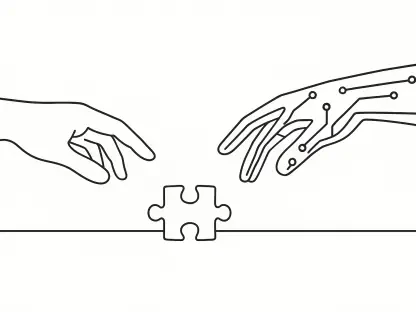

The hidden cost of a disengaged workforce often manifests not in sudden mass resignations, but in the quiet erosion of commitment that precedes a high-performer’s final exit. Retention in the hybrid era requires a fundamental shift from transactional management to a culture where employees feel “seen, heard, and acted on.”
Beyond the Surface: Why Perks No Longer Prevent Turnover
Solving dissatisfaction with superficial rewards has become an outdated strategy. When high-performers depart, they are often escaping a vacuum of connection rather than seeking a higher salary. A culture of genuine recognition involves moving toward a model where the individual’s contribution is tied directly to the organizational mission and collective purpose.
Traditional engagement initiatives often fail because they do not address the fundamental need for employees to feel genuinely valued. Organizations that successfully retain talent focus on building high-trust relationships rather than relying on workplace benefits. This shift requires leaders to prioritize the human element of the professional relationship over simple administrative oversight.
The Psychological Safety Deficit in a Hybrid World
Remote models have diluted traditional trust cues, leading to a decline in psychological safety. When digital communication feels cold, it breeds anxiety instead of collaboration. Organizations must bridge the gap between screens and human needs, recognizing that inconsistent communication is a primary driver of modern turnover.
Without physical proximity, employees frequently feel isolated from the core culture. This deficit makes it difficult for individuals to voice concerns or share innovative ideas without fear of judgment. Creating a sustainable competitive advantage now depends on a leader’s ability to foster an environment where vulnerability is welcomed and transparency is the default mode of operation.
Redefining Connection Through Digital Body Language
Leadership requires mastering digital body language to signal respect across screens. This involves responsive communication and active listening through messaging channels. Technology served as a bridge when organizations utilized intuitive tools that respected an employee’s time. AI also humanized leadership by automating routine tasks, allowing for deeper empathetic engagement.
The nuances of virtual interaction now dictate the strength of professional bonds. Managers who mastered these digital signals ensured that their teams remained connected regardless of their physical location. By focusing on small, consistent behaviors, leadership demonstrated a commitment to professional well-being that outweighed the convenience of traditional office structures.
Evidence-Based Leadership: Insights From Erica Dhawan
Expert Erica Dhawan emphasizes that high-trust relationships are the bedrock of retention. Research shows that utilizing pulse surveys to understand the workforce—and then acting on that feedback—creates a competitive advantage. Employees who felt their time was respected by efficient digital processes were significantly more likely to stay with their current organization.
Data indicates that a lack of clear digital etiquette often leads to burnout and disengagement. Dhawan’s analysis suggests that when leaders visibly implement changes based on employee feedback, they solidify loyalty. The research confirms that the transition to trust-based management is not merely a preference but a necessity for maintaining a stable and productive workforce.
Strategies for Transitioning to Trust-Based Management
To foster connection, leaders adopted a “listen-and-act” protocol that turned feedback into visible change. They established digital etiquette norms to reduce exhaustion and prevent misunderstandings across various messaging platforms. Transparency was prioritized by sharing the “why” behind major decisions, which significantly increased the overall sense of belonging.
Finally, organizations audited their software suites to ensure that technology simplified rather than complicated the workday. This shift replaced traditional monitoring with empowerment for the years from 2026 to 2028. By focusing on these specific frameworks, leadership moved away from transactional oversight and successfully built a culture rooted in authentic connection and mutual respect.