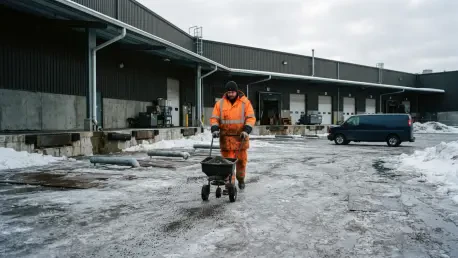

Unexpected blizzards and severe ice storms frequently paralyze municipal infrastructure, forcing businesses to navigate a delicate balance between employee welfare and rigid financial obligations. As winter weather patterns become increasingly unpredictable throughout 2026 and beyond, organizations must recognize that preparation involves more than just purchasing salt and shovels; it requires a deep understanding of federal labor laws. The interplay between the Occupational Safety and Health Act and the Fair Labor Standards Act creates a complex regulatory environment where a single oversight can lead to significant legal liability or physical injury. While protecting the bottom line remains a priority, the duty to provide a secure environment is non-negotiable under current federal guidelines. This dual challenge necessitates a comprehensive strategy that addresses both the physical hazards of the workplace and the administrative intricacies of payroll management during extreme weather events.
Physical Workplace Safety and Regulatory Duty
OSHA’s General Duty Clause mandates that every employer must furnish a place of employment that is free from recognized hazards that are causing or are likely to cause death or serious physical harm to employees. In the context of winter weather, this obligation translates into a proactive responsibility for maintaining safe access to the facility, including the diligent removal of snow and ice from parking lots, loading docks, and pedestrian walkways. While an employer is typically not responsible for the hazards an employee encounters during a personal commute from home, that immunity ends the moment the worker enters company property. Failure to treat surfaces with deicing agents or to clear blocked fire exits can result in significant citations during safety inspections. Management must prioritize these maintenance tasks to prevent slip-and-fall accidents, which remain among the most common and costly workplace injuries during the colder months in North America today.
Beyond surface maintenance, organizations must extend their safety protocols to include the operation of company-owned vehicle fleets and the provision of emergency survival equipment. If employees are required to operate machinery or drive specialized vehicles in freezing temperatures, they must receive specific training to recognize the early symptoms of hypothermia and frostbite. Furthermore, when power outages necessitate the use of portable generators, these units must be operated exclusively outdoors to prevent the lethal buildup of carbon monoxide, a risk that increases significantly during winter storms. Providing staff with high-quality flashlights, thermal blankets, and emergency communication devices ensures that they are not left vulnerable if a building loses climate control or lighting. By establishing these physical safeguards, businesses fulfill their moral and legal obligations to protect their human capital against the elements while maintaining high standards of care.
Wage Compliance and Fair Labor Standards
Managing payroll during weather-related disruptions requires strict adherence to the Fair Labor Standards Act, which clearly distinguishes between nonexempt and exempt staff categories. For nonexempt workers, who are generally paid by the hour, the rule is relatively straightforward: if a business closes or the employee is unable to report for duty due to snow, the employer is not required to pay for the hours not worked. This provides a level of financial flexibility for the company, although it can create significant hardship for the workforce. To mitigate this impact, many organizations allow hourly employees to utilize accrued vacation days or personal time off to supplement their missed income. However, it is essential that management communicates these policies clearly and consistently to avoid confusion or claims of disparate treatment among the staff. Tracking these hours precisely is vital for maintaining accurate records and ensuring that overtime calculations remain correct.
Effective management of winter disruptions involves a meticulous synthesis of physical site maintenance and rigorous adherence to federal wage categories. Businesses that thrive during these periods recognize that proactive communication is the most valuable tool in their arsenal for preventing dangerous commutes and administrative errors. They update their inclement weather policies well before the first frost, ensuring that every staff member understands the expectations for remote work and the procedures for reporting absences. Investing in robust digital notification systems successfully alerts employees to office closures via text or automated voice calls in real time. Comprehensive audits of existing remote work agreements also clarify responsibilities regarding equipment and utility costs during extreme weather. By formalizing these strategies, companies ensure operational integrity and employee safety for the duration of the 2026 season and establish a resilient framework for the years that follow.