
Introduction
The recent consolidation of major logistics technology players marks a decisive shift toward specialized industrial engineering that prioritizes speed and agility over corporate sprawl. American Industrial Partners has finalized its acquisition of the warehouse and workflow solutions business from Honeywell, merging the capabilities of Intelligrated and Transnorm with Trew. This move creates a focused entity with a workforce exceeding 3,700 professionals across several continents.
This article explores the strategic motivations behind this industry-shaking merger and its immediate impact on the market. Readers will learn about the organizational structure and how the firm intends to navigate the double-digit growth projected for the automation sector. By focusing on a unified portfolio of robotics, the consolidation aims to address the growing complexity of modern supply chains.
Key Questions or Key Topics Section
What Is the Primary Objective of the AIP Merger?
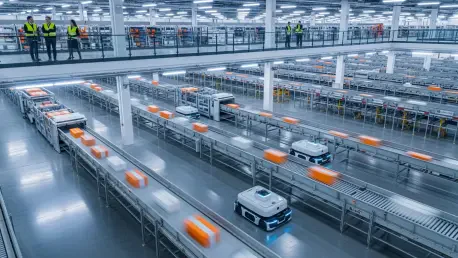
The primary goal of this strategic union is to establish a provider capable of handling the entire lifecycle of warehouse automation. In an industry where e-commerce demands fluctuate rapidly, having a specialized entity allows for more rapid innovation in robotics and conveyor systems. This consolidation brings together engineering strengths to create a robust platform for global enterprises.
Moreover, the merger positions the organization as a contender with a projected revenue exceeding $1 billion. By operating as a purpose-built firm, the entity can pivot more quickly to adopt new technologies. This agility is essential as global logistics challenges require customized solutions that standard products can no longer provide.
How Will This Consolidation Affect Existing Client Operations?
The transition has been structured to ensure zero disruption for current customers across the manufacturing and retail sectors. The Intelligrated, Trew, and Transnorm brands will continue to operate under their established names, maintaining the trust they have built over the years. Existing agreements and support teams remain fully intact, providing a seamless experience for those already utilizing these systems.
While back-end engineering and manufacturing capacities are being synthesized to improve efficiency, the service model remains constant. This approach allows the organization to scale its capabilities while honoring legacy commitments, ensuring that long-term stability remains a priority during this phase of growth.
Who Is Leading This New Organization and Why Does It Matter?
AIP has appointed Alfred Rebello as CEO to steer this new course for the merged entities. With over 35 years of experience in the material handling industry, Rebello brings a deep understanding of legacy systems and future potential. His appointment signals a commitment to industry-specific expertise rather than general corporate management.
Under his guidance, the organization focuses on targeted investments and streamlined decision-making. This leadership style is intended to capitalize on market expansion expected to continue throughout the decade. The management team aims to foster industrial innovation that responds to unique client needs.
Summary or Recap
The synthesis of Intelligrated, Transnorm, and Trew under AIP represents a milestone in warehouse technology evolution. This entity leverages a $1 billion revenue base and a global workforce to provide high-end robotics. The strategy prioritizes client continuity by maintaining brand identities while expanding capacity to meet rising global demand.
Ultimately, the merger addresses the need for faster, specialized responses to modern logistics hurdles. The organization stands as a formidable force, backed by veteran leadership and a comprehensive portfolio of services. These developments suggest a future where automation is more integrated and efficient.
Conclusion or Final Thoughts
The strategic consolidation led by AIP offered a clear blueprint for how industrial giants adapted to the intensifying needs of the digital economy. This transformation successfully bridged the gap between legacy reliability and the agility required for contemporary distribution networks. Industry stakeholders observed how this merger set a new standard for operational continuity during complex transitions.
Decision-makers in the logistics sector evaluated how these structural changes influenced their own long-term automation investments. It became evident that specialized focus was a key driver for maintaining a competitive edge in a rapidly evolving market. Moving forward, the success of such entities depended on their ability to stay ahead of technological trends.