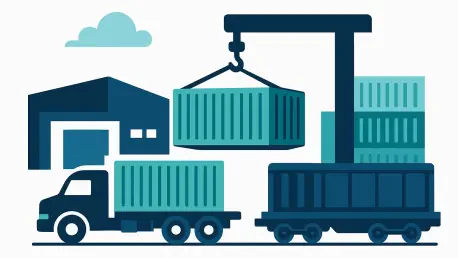

Capacity constraints in the trucking sector are projected to persist for at least two to three years due to aggressive federal regulatory changes. This reality has forced shippers to reevaluate long-standing logistics strategies that previously favored the flexibility of over-the-road transport. As diesel prices remain stubbornly high and insurance premiums reach unprecedented levels, the cost-per-mile for traditional trucking has become a significant burden on corporate margins. Consequently, the industry is witnessing a massive migration toward intermodal rail, which offers a more stable cost structure and superior fuel efficiency for long-distance hauls. Freight volumes are shifting rapidly as companies seek to insulate themselves from the volatility of the spot market. This transition is not merely a temporary reaction to market fluctuations but represents a fundamental structural change in how goods move across North America. The surge in rail demand is driving record-breaking growth metrics across major corridors, signaling a new era for transportation.
Economic Pressures Shaping Logistics
The Impact: Rising Operational Overheads
The escalation of operational overhead in the trucking industry has reached a breaking point for many carriers, leading to a consolidation of the market. Labor costs have surged as driver retention requires higher wages and significantly improved benefit packages to compete with localized delivery sectors. At the same time, the price of equipment maintenance and replacement parts has climbed due to persistent supply chain friction in the manufacturing sector. Shippers now face a landscape where traditional trucking can no longer guarantee the same price predictability it once did. In contrast, intermodal rail provides a centralized labor model that is less susceptible to the individual driver shortages plaguing the trucking industry. By leveraging the high-volume capacity of trains, logistics providers can effectively spread these rising costs over a much larger volume of freight. This economy of scale is becoming the primary driver of the current intermodal boom as fiscal discipline becomes a top priority for global supply chain managers.
Fuel Efficiency: Navigating Market Volatility
Fuel volatility remains the most significant variable in the shipping equation, with global energy markets experiencing high levels of instability. While trucking is heavily reliant on diesel, which fluctuates wildly based on geopolitical tensions, rail systems have made significant strides in fuel efficiency and alternative energy adoption. Modern locomotives can move a ton of freight nearly five hundred miles on a single gallon of fuel, making them significantly more efficient than their highway counterparts. This efficiency gap has widened as new hybrid locomotive technologies enter service in major rail yards. Furthermore, the implementation of sophisticated fuel surcharge programs in the rail sector provides a more transparent and predictable cost model for long-term planning. Companies that were once hesitant to move away from the convenience of trucking are now finding that the cost savings associated with rail fuel efficiency are too substantial to ignore. This shift is particularly evident in the consumer goods and electronics sectors.
Strategic Shifts in Modern Supply Chain Management
Digital Transformation: Optimizing Intermodal Flow
The integration of advanced digital platforms has transformed the intermodal landscape from an opaque process into a highly visible and efficient operation. Real-time tracking technologies now allow shippers to monitor their containers with the same level of precision formerly reserved for premium parcel delivery. AI-driven logistics software optimizes the hand-off between trucks and trains at inland terminals, drastically reducing the dwell time that once made intermodal a less attractive option for time-sensitive cargo. These technological advancements have effectively bridged the gap between the speed of road transport and the cost-efficiency of rail. By utilizing predictive analytics, port authorities and rail operators can now anticipate surges in volume and adjust equipment levels accordingly, preventing the bottlenecks that historically frustrated logistics managers. The seamless flow of data across the entire supply chain has turned intermodal transport into a sophisticated, high-tech solution that rivals the agility of traditional trucking.
Building Resilience: Future-Proofing the Network
Logistics managers successfully navigated this transition by prioritizing data integration and fostering stronger partnerships with rail providers. They recognized that the shift to intermodal required a change in mindset from speed at any cost to optimized efficiency and reliability. Organizations that invested in visibility tools early found they could manage the slightly longer transit times of rail by improving their inventory planning and demand forecasting. Furthermore, these companies focused on the development of regional distribution centers located near major intermodal hubs to minimize the final drayage leg. This foresight allowed them to capitalize on the lower costs of rail while maintaining high service levels. The adoption of collaborative logistics platforms enabled more efficient sharing of equipment and capacity, further driving down costs across the network. By treating transportation as a strategic asset rather than a commodity, businesses were able to insulate themselves from the volatility of the trucking market.