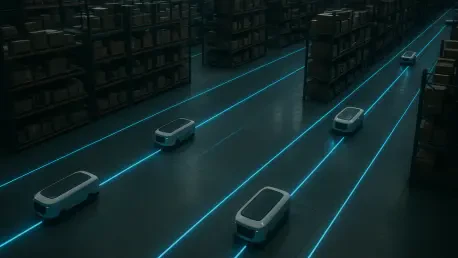
The traditional metric of warehouse success once rested on how many millions of square feet a facility covered, but today, that measure has been eclipsed by the speed and precision of the software controlling those same spaces. Intelligent warehouse orchestration represents a radical departure from

The rapid shift from experimental artificial intelligence implementations toward fully integrated, autonomous HR governance systems has fundamentally altered the corporate landscape for global enterprises entering the second half of this decade. No longer content with vague promises of efficiency,

The transition from software that merely suggests ideas to systems that independently execute complex operational sequences represents the most significant shift in computing since the birth of the internet. This review analyzes the current state of autonomous artificial intelligence deployment,

The market obsession with model selection often distracts leadership from the more critical challenge of governing hundreds of disparate AI workflows. A global manufacturer recently illustrated this dilemma through a procurement project that utilized a generative assistant to summarize supplier

The rapid evolution of artificial intelligence from passive large language models to autonomous agents signifies a monumental shift in how modern enterprises manage their most sensitive digital operations and data. No longer confined to the role of a helpful conversationalist, these agents have
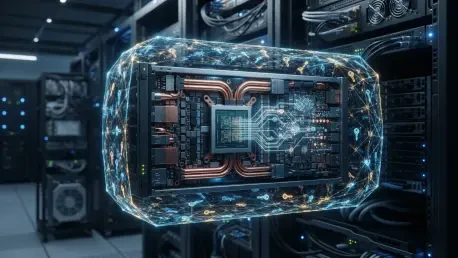
The long-standing struggle between absolute data protection and the raw computational power required for high-level intelligence has finally met its match in a hardware architecture that refuses to compromise. This shift marks the moment when "Confidential AI" moved from the realm of academic