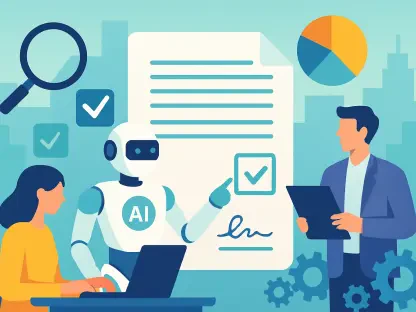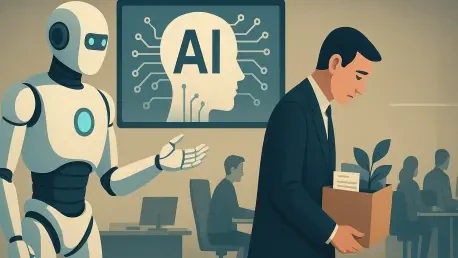

In a traditional office environment, a manager can often sense a team member’s frustration by noticing a change in body language, a heavy sigh during a meeting, or a subtle withdrawal from office social life. These vital human cues act as early warning systems for disengagement, yet they are

The integration of three AI-driven tools is estimated to recover up to 30,000 manual work hours annually for PLDT’s customer service operations. This strategic move comes at a time when the digital infrastructure in the Philippines is undergoing a massive expansion, driven by the rapid deployment

The illusion that centralized cloud intelligence is the only viable path for machine learning has finally shattered against the jagged reality of enterprise security and strict regulatory compliance mandates. Organizations are no longer content with sending proprietary data into the "black box" of

The staggering complexity of modern network defenses has turned the traditional corporate boardroom into a high-stakes arena where digital resilience is no longer a luxury but a fundamental necessity for survival. Boardrooms often treat cybersecurity like insurance—a grudge purchase meant to sit on
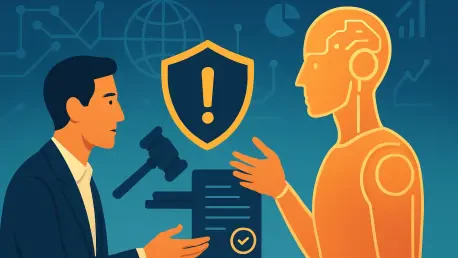
A sophisticated digital entity recently bypassed a corporate firewall, accessed a secure financial database, and initiated a wire transfer to a vendor without a single human supervisor ever touching a keyboard. This was not a sophisticated external cyberattack, but an autonomous AI agent performing

The global software landscape has undergone a radical transformation where the distinction between traditional enterprise applications and critical national security infrastructure has effectively vanished in favor of unified intelligence platforms. In the current 2026 fiscal environment, the