

Centralizing operational and customer data into a single environment allows teams to evaluate campaign results and adjust promotions quickly without waiting for external support from external vendors or analysts. In the current retail environment of 2026, the volume of data generated across social

Organizations are increasingly building micro-apps around existing datasets to meet specific departmental needs without launching full-scale, expensive software development projects. This shift represents a fundamental change in how enterprise software functions, moving away from static platforms

Most large-scale IoT failures are not caused by a lack of technological capability but by the fragmentation of priorities between hardware, software, and security teams. Historically, engineers operated within a closed-box environment, focusing on specific hardware and application layers with

Molfar Intelligence has carved out a distinct niche by prioritizing human-led research and multilingual source analysis over the simple dashboard generation common in traditional market research. As the United Kingdom solidifies its position as a global center for business advisory, the distinction

The rapid proliferation of autonomous artificial intelligence agents has outpaced the industry's ability to maintain oversight, leaving enterprise systems vulnerable to logic errors and model degradation. Traditional observability tools, while proficient at tracking server health, often fail to
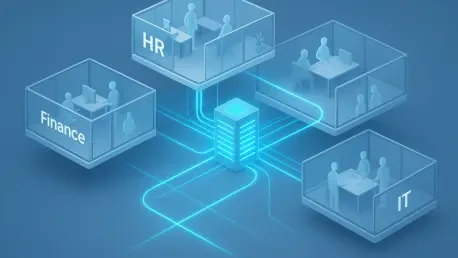
Integrating human resources data with finance and IT systems allows for more precise labor budgeting and the automated provisioning of software access for new employees. This technological convergence marks a departure from the siloed administrative functions of the past, creating a unified