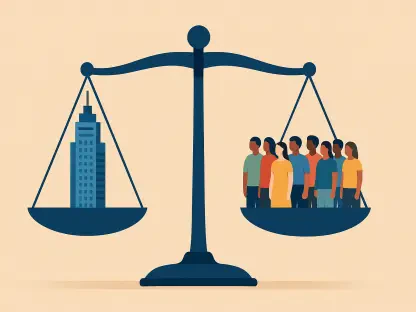

The prevailing strategy of elevating individual contributors based on their functional performance has created a pervasive leadership void that threatens the stability of modern corporate structures. While employees increasingly demand career progression and meaningful mentorship, the individuals

The achievement of national recognition for workplace excellence often signals a profound shift in how a modern organization balances its commercial objectives with the well-being of its workforce. WeShare Health, a nonprofit health-sharing organization based in Norfolk, Virginia, recently secured

The rapid evolution of economic landscapes across the tri-county region of Southern Maryland demands a sophisticated level of civic awareness and professional agility that traditional management courses often fail to address adequately in modern environments. As the area experiences shifts in

Across the landscape of the Australian healthcare sector, the persistent challenge of maintaining a stable workforce has often overshadowed the primary mission of providing compassionate care to the elderly. Proveda, a prominent provider in the sector, decided to confront this systemic instability

The South African plastics manufacturing landscape is currently navigating a pivotal era where the traditional approach to workforce development has moved far beyond basic compliance to become the very foundation of industrial survival. In an environment defined by rapid technological shifts and

The emergence of specialized programs like the NASFAT 2026 Women Leadership Training highlights a growing recognition that professional competence must be paired with a strong moral compass to be truly effective. This specific initiative, themed Empowered with Purpose, has gathered influential