
Modern smart home strategies prioritize local control over cloud-based systems to ensure routines execute reliably even when an internet connection is unavailable. This shift reflects a broader movement away from flashy, app-centric interfaces toward a philosophy of invisible utility where the home anticipates needs before they are articulated. For many professionals, the period between waking up and starting work is a sequence of repetitive micro-decisions that gradually deplete cognitive resources. By automating these low-level tasks, residents can reclaim mental energy and avoid the common pitfall of checking a smartphone for an alarm only to be sidetracked by a barrage of digital notifications. Strategic integration focuses on eliminating friction points—those small moments of resistance like waiting for water to boil or adjusting thermostat settings—that collectively disrupt the morning flow. The goal is to create a living environment that functions as a quiet assistant, facilitating a seamless transition from rest to productivity without requiring constant manual oversight.
Optimizing the Environment: the Science of Waking Up
Traditional alarm clocks and smartphone notifications often create a jarring start to the day, spiking cortisol levels and inducing immediate stress before feet even touch the floor. A more sophisticated alternative involves using dedicated devices like the Hatch Restore 3, which leverages gradual light increases to simulate a natural sunrise. This biological approach gently coaxes the brain out of deep sleep cycles, making the transition to wakefulness significantly more pleasant and less abrupt. Furthermore, delegating the alarm function to a dedicated bedside device allows the smartphone to be kept in a separate room entirely. This physical separation prevents the habitual, mindless scrolling that often happens during the first few minutes of the day, ensuring that the morning begins with a clear mind rather than a flood of emails and social media updates. By prioritizing this atmospheric transition, the smart home provides a foundational layer of calm that influences the trajectory of the entire workday.
Manual window treatments are another common friction point that often goes unaddressed because the effort seems trivial, yet the impact of natural light on the circadian rhythm is profound. Integrating retrofit solutions like the SwitchBot Curtain 3 allows for the automation of existing drapes or blinds without the need for expensive custom installations. These devices can be programmed to slide open at a specific time, flooding the bedroom with natural daylight exactly when the body needs it most to suppress melatonin and boost alertness. This automation ensures that the environment aligns with biological needs automatically, even on days when motivation is low or the schedule is tight. Moreover, the ability to coordinate light and temperature through automated shades helps maintain indoor comfort while reducing energy consumption. This level of environmental control demonstrates how strategic smart home choices can bridge the gap between architectural limitations and modern lifestyle demands for a more natural morning experience.
Presence and Kitchen Efficiency: Removing Morning Friction
The limitations of traditional passive infrared motion sensors often become apparent when a resident sits still to read or drink coffee, leading to lights shutting off unexpectedly and causing unnecessary irritation. Advanced presence sensors, such as the Aqara FP2, utilize millimeter-wave radar technology to detect the subtle movements of breathing or slight shifts in posture, ensuring that the system understands a room is occupied even when the inhabitant is virtually motionless. This precision allows for highly localized automation, where the kitchen lights only activate in specific zones as one moves from the refrigerator to the stove. Furthermore, these sensors can distinguish between multiple people in the same space, allowing the house to adjust its behavior based on specific occupancy patterns. By moving beyond simple movement detection toward true presence awareness, the smart home environment becomes significantly more intuitive, eliminating the need for residents to wave their arms or walk around just to keep the lights on.
The efficiency of a morning routine is often measured by the speed at which one can move through essential preparation tasks, particularly in the kitchen. Waiting for water to reach a boil is a minor delay that can feel like a major obstacle when one is working against a strict clock. Integrating a smart electric kettle into the home ecosystem allows this process to begin automatically, often reaching the precise temperature required for tea or coffee several minutes before the alarm even sounds. This preemptive action ensures that the necessary tools for a caffeine fix are ready the moment the user enters the kitchen, maintaining a steady momentum that is critical for a productive start. Additionally, these smart appliances can be calibrated to specific temperatures for different beverage types, ensuring a level of consistency that is difficult to achieve manually. This focus on streamlining the kitchen experience exemplifies how targeted technology can remove the small hurdles that collectively contribute to morning stress and decision fatigue.
Security and Legacy Devices: Connecting Old and New
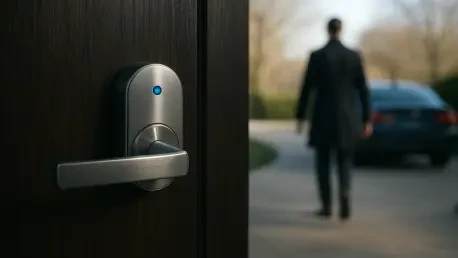
Leaving the home for a commute often triggers a familiar sense of anxiety regarding whether the front door was actually locked or the garage door was fully closed. Smart locks equipped with integrated door-position sensors provide a reliable solution by confirming that the door is physically shut before the deadbolt is engaged, preventing the common issue of a lock jamming against a door that is slightly ajar. This automation eliminates the need for a final check of the door handle, allowing the resident to depart with absolute certainty that the premises are secure. Advanced systems can even be programmed to arm the security network and lower the thermostat as soon as the lock is engaged, creating a cohesive departure sequence that requires zero manual intervention. This peace of mind is one of the most significant psychological benefits of a smart home, as it frees up mental bandwidth for the day ahead by automating the basic necessity of home security and providing real-time status updates.
Bringing intelligence to a home does not necessarily require the replacement of every existing appliance, especially those that are high-quality but lack built-in connectivity. Smart plugs serve as a critical bridge for these legacy devices, allowing older lamps, fans, or space heaters to be integrated into modern automated routines with minimal effort. By placing a smart plug between the outlet and a “dumb” appliance, users can schedule these items to turn on or off based on time, presence, or even outdoor weather conditions. This approach is both cost-effective and environmentally friendly, as it extends the functional life of existing hardware while providing the benefits of remote control and scheduling. For example, a vintage espresso machine can be brought to temperature before the user wakes up, simply by using a smart plug to manage its power supply. This flexibility allows for a more personalized automation strategy that respects the aesthetics and functionality of the resident’s current possessions while still moving toward a more connected and efficient lifestyle.
Scaling the Strategy: Future-Proofing through Standards
The rapid adoption of universal communication standards like Matter and Thread has fundamentally changed how different brands interact within the modern smart home ecosystem. Previously, users were often locked into specific manufacturer silos, which limited their choices and complicated the setup of cross-brand routines. With these new protocols, devices from various companies can communicate directly with each other over a local mesh network, significantly reducing latency and improving overall system reliability. This shift ensures that if a presence sensor from one brand detects movement, a light bulb from another brand will react almost instantaneously without needing to send a signal to a distant cloud server and back. Moreover, the decentralized nature of Thread networks means there is no single point of failure, as other devices can reroute signals if one node goes offline. This technical evolution provides a robust foundation for building more complex and dependable morning automations that do not rely on a constant internet connection.
Scaling an automation strategy is most effective when approached as an iterative process rather than a massive, one-time overhaul of the entire living space. By identifying one specific area of frustration—such as a dark hallway or a cold bathroom—and solving it with a targeted smart device, residents can gradually build a system that feels natural and tailored to their unique habits. This incremental method allows for a deeper understanding of how each new piece of technology interacts with the existing environment, preventing the overwhelm that often accompanies complex technical setups. Furthermore, this approach is highly adaptable for renters, who can prioritize portable gadgets like smart bulbs and battery-powered sensors that can be easily moved to a new location. As the system grows, the focus should remain on the utility of each addition, ensuring that every new automation serves to simplify life rather than adding another layer of complexity to manage. This strategic growth ensures that the smart home remains a supportive tool that evolves alongside the needs of its inhabitants.
Implementation and Beyond: Transforming the Daily Routine
The transition toward a fully automated morning routine proved that the most effective technology is often that which is neither seen nor felt. Homeowners who prioritized local processing over cloud dependencies found that their environments remained resilient and responsive regardless of external network stability. This evolution demonstrated that the value of a smart home lies not in the novelty of its gadgets, but in its ability to protect the user’s focus and reduce the daily friction of domestic management. As users refined these systems, they discovered that starting with a single pain point was far more effective than attempting a total overhaul of their living space overnight. By focusing on high-impact areas like lighting and climate control, residents successfully transformed their homes into supportive ecosystems. Moving forward, the emphasis shifted toward deeper integration where diverse devices operated under a unified standard, ensuring that every automated interaction served to enhance the overall quality of daily life and individual wellbeing.
The final phase of this transformation involved the expansion of automated routines to encompass health and energy management, creating a truly holistic environment. Users who integrated air quality sensors and smart thermostats discovered that maintaining optimal indoor conditions overnight led to significantly higher energy levels upon waking. These systems operated autonomously, adjusting humidity and ventilation based on real-time data to ensure the best possible sleep environment. By the time the morning routine commenced, the home had already spent hours preparing the occupant for success. Furthermore, the adoption of detailed energy monitoring within these systems allowed for more sustainable living without sacrificing comfort or convenience. This comprehensive approach ensured that every facet of the domestic environment was optimized to support the resident’s goals. Ultimately, the successful implementation of these technologies provided a blueprint for a more intentional way of living, where the home serves as a silent partner in the pursuit of productivity and personal wellness.