
With four approved respiratory vaccines in the European Union, the company is positioning itself to capture market share as legacy COVID-19 contracts expire, marking a strategic pivot that represents a significant evolution for the biotechnology firm. This transition leverages over a decade of intensive research and development to move from a pandemic-focused entity into a powerhouse of oncology and rare diseases. CEO Stéphane Bancel has articulated a clear vision where mRNA technology serves as a foundational modality, moving beyond infectious diseases to address complex oncological challenges through a modular and integrated platform. By maturing this proprietary technology, the company aims to create durable, multi-generational franchises that combine high-tech manufacturing with advanced delivery mechanisms. This shift is not merely about expanding a product line; it represents a fundamental change in how the company approaches drug development, using the lessons of the past few years to de-risk its expansive pipeline and achieve long-term value for both patients and global health systems.
Accelerating Innovation Through Technology
Utilizing AI and Automated Manufacturing Systems
To maintain its competitive edge in a rapidly evolving landscape, the company has integrated artificial intelligence and sophisticated automation into its core development cycle. These digital tools are used to optimize the design of mRNA sequences, ensuring that each candidate is tailored for maximum stability and protein expression. By employing AI algorithms to predict how different sequences will behave in the human body, the firm has significantly reduced the time required to move from an initial therapeutic concept to the clinical trial phase. This technological synergy allows for a level of precision that was previously unattainable, enabling the rapid generation of high-quality data. The result is a highly agile development engine that can pivot quickly to meet emerging medical needs, ensuring that the platform remains at the forefront of the industry while maintaining a pace of innovation that far exceeds traditional pharmaceutical standards.
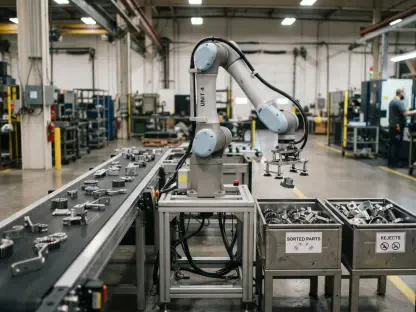
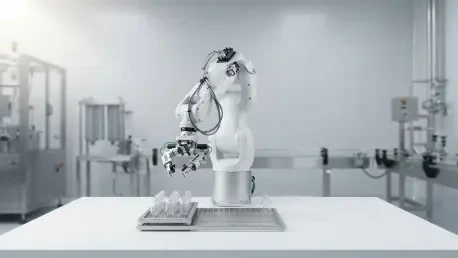
Furthermore, the implementation of automated manufacturing systems has transformed the production of complex mRNA therapies into a streamlined, high-efficiency process. These systems are designed to handle the intricate requirements of both mass-market vaccines and the small-batch, bespoke production needed for individualized treatments. By minimizing human intervention and utilizing real-time monitoring, the company can ensure consistent quality and reduce the risk of manufacturing errors. This modular approach to production means that facilities can be scaled up or down depending on demand, providing the flexibility needed to support a global commercial footprint. The integration of high-tech manufacturing into the broader platform acts as a force multiplier, allowing the company to maximize its capital productivity and achieve significant operational efficiencies. This infrastructure is a key differentiator, providing the logistical backbone necessary to support the transition into a leading oncology-focused biotechnology organization.
Enhancing Delivery Mechanisms and Platform Synergy
The success of any mRNA therapy depends heavily on the delivery system used to transport the genetic instructions into the patient’s cells. Over the last several years, the company has refined its proprietary lipid nanoparticle technology to improve safety and efficacy across different medical modalities. By utilizing a shared underlying architecture, the firm can apply safety data and clinical insights gained in one area, such as infectious disease vaccines, to its burgeoning oncology and rare disease programs. This modular strategy de-risks the development of new assets by relying on a delivery platform that has already been validated in large-scale human populations. The cross-modality synergy ensures that every dollar invested in research provides multiple returns, enhancing the efficiency of the entire pipeline. This approach allows the company to build a diverse portfolio of medicines that share a common technological foundation, significantly lowering the barriers to entry for new therapeutic areas.
Beyond delivery, the company is focusing on the synergy between its mRNA sequences and the body’s immune response to create more potent treatments. By optimizing how the mRNA interacts with cellular machinery, researchers are developing therapies that can trigger more targeted and durable immune reactions. This is particularly vital in the context of oncology, where the goal is to train the immune system to recognize and destroy malignant cells while sparing healthy tissue. The platform’s flexibility allows for the rapid iteration of designs, meaning that if a specific sequence does not meet efficacy goals, the company can quickly pivot to an alternative version without redesigning the entire manufacturing or delivery process. This ability to iterate at high speeds is a hallmark of the company’s matured platform, providing a unique advantage in the race to develop next-generation cancer treatments. This technological maturity signals that the organization is ready to lead the shift toward personalized medicine.
Dominating the Oncology Landscape
Validating Individualized Neoantigen Therapy Breakthroughs
The primary growth engine for the firm’s 2026 outlook is its burgeoning oncology franchise, anchored by the breakthrough individualized neoantigen therapy known as intismeran. Developed in collaboration with Merck, this candidate has recently achieved a major milestone with the release of Phase III Interpath-001 study results. In patients with resected high-risk melanoma, the combination of intismeran and the checkpoint inhibitor Keytruda demonstrated a 42% reduction in the risk of recurrence or death compared to treatment with Keytruda alone. These findings, which were published in the New England Journal of Medicine, provide the clinical validation required to pursue regulatory approval and establish a new standard of care. The data also showed a 38% reduction in the risk of distant metastasis, suggesting that the therapy provides a comprehensive and durable immune response. This success represents a watershed moment for mRNA technology, proving its potential to transform outcomes in aggressive forms of cancer.
The safety profile observed during clinical trials has been equally encouraging, which is critical for treatments that are administered over long periods. Side effects such as fatigue and injection-site pain were generally manageable and consistent with the profiles of the individual components, allowing for a favorable benefit-risk ratio. This clinical foundation enables the company to expand its investigations into other tumor types and earlier treatment settings, potentially bringing the benefits of individualized therapy to a much broader patient population. The successful validation of intismeran is a testament to the company’s ability to execute complex clinical programs and deliver results that have the potential to redefine the oncology market. As the company moves toward commercialization, the focus is shifting toward scaling the production of these bespoke vaccines to meet the anticipated high demand. This breakthrough reinforces the company’s position as a leader in the next generation of cancer care, moving away from generic treatments toward a truly personalized approach.
Expanding Portfolio With Off-the-Shelf Solutions
While individualized therapy remains a central focus, the company is also aggressively pursuing off-the-shelf cancer vaccines designed to target common antigens found across specific patient populations. This complementary strategy is led by mRNA-4359, which is currently in Phase II trials for non-small cell lung cancer and melanoma. Unlike individualized treatments that must be manufactured specifically for each patient, off-the-shelf solutions can be produced in larger batches and administered more quickly, offering a more immediate treatment option. By developing a suite of candidates that target different cancer-associated antigens, the company is building a continuous pipeline of oncology assets that can address various stages of disease and different patient needs. This dual-track approach—combining bespoke and ready-made therapies—ensures that the firm can capture a large share of the oncology market while providing clinicians with a versatile range of tools to combat different types of malignancies.
The development of these off-the-shelf vaccines also benefits from the same platform efficiencies that drive the rest of the company’s pipeline. Because they use the same mRNA technology and delivery lipids as the individualized therapies, the regulatory and manufacturing path is better understood, which can accelerate the time to market. Other early-stage candidates are currently being evaluated to ensure a steady flow of new products in the coming years. This robust pipeline strategy is designed to create a sustainable oncology franchise that is not reliant on a single product. By expanding its reach into multiple tumor types and treatment modalities, the company is positioning itself to be a comprehensive provider of cancer solutions. The focus on both individualized and broad-market therapies reflects a sophisticated understanding of the oncology landscape, where the combination of different treatment approaches is often necessary to achieve the best possible outcomes for patients.
Global Commercial and Financial Strategy
Driving Revenue Growth and International Expansion
The firm is preparing for a significant revenue surge, with a particular focus on the seasonal influenza market and the expansion of its respiratory vaccine portfolio. By offering vaccines with superior efficacy or more efficient manufacturing compared to traditional egg-based methods, the company aims to capture a substantial share of the global influenza market. Strategic partnerships with governments in the United Kingdom, Canada, and Australia have already been established to create local manufacturing hubs, which will provide a steady stream of recurring revenue. These agreements are not just commercial in nature; they enhance global health security by providing regional supply hubs that can respond quickly to local needs. As legacy COVID-19 contracts expire, these new partnerships and product launches will allow the company to maintain a competitive position and drive long-term growth. The focus is on building a global commercial infrastructure that can support a wide range of products across multiple therapeutic areas.
In addition to respiratory vaccines, the company is exploring new opportunities in Latin America and the Asia-Pacific region, securing agreements in markets like Mexico and Taiwan. This expansion is supported by a flexible manufacturing network that can adapt to the unique requirements of different regions. By diversifying its geographical presence, the company is mitigating the risks associated with any single market and ensuring that its mRNA platform can benefit patients worldwide. The commercial strategy is closely integrated with the company’s R&D efforts, ensuring that new products are developed with global market needs in mind. This proactive approach to international expansion is a key component of the firm’s goal to become a global biotechnology powerhouse. The transition into a diversified, oncology-centric organization is being supported by a robust commercial framework that prioritizes long-term stability and sustainable growth in both established and emerging pharmaceutical markets.
Maintaining Operational Infrastructure and Financial Discipline
The operational focus remained centered on margin expansion and fiscal discipline through the optimization of global manufacturing processes. By refining production methods, the organization successfully shortened manufacturing timelines and reduced waste, which contributed to an improved bottom line. The company accelerated its cost-reduction plans, moving its strategic cash framework forward to ensure long-term financial stability. These efforts allowed for the reallocation of capital away from legacy pandemic infrastructure and toward high-value research and development in oncology and rare diseases. This disciplined approach to financial management was essential for supporting the transition into a multi-modal biotechnology firm. The leadership emphasized that while expenditures remained high, they were being targeted at the most promising growth drivers, ensuring that the company’s decade of investment in mRNA science translated into tangible financial results and a sustainable future for the platform.
The organization established a global supply chain that was both resilient and flexible, capable of producing a wide range of therapies from mass-market vaccines to bespoke cancer treatments. This infrastructure proved to be a competitive advantage, allowing the company to navigate a complex regulatory and commercial landscape with agility. By placing manufacturing capabilities in key strategic locations, the firm reduced geographic risks and ensured a steady supply of medicine to its international partners. The focus on operational excellence also extended to the integration of digital technologies, which provided real-time visibility into the supply chain and improved decision-making. These strategic actions positioned the company for a new era of growth, characterized by a higher-margin product mix and a more efficient organizational structure. As the organization looked toward the next decade, the foundations laid through financial discipline and manufacturing excellence provided a clear path toward becoming a dominant force in the global biotechnology industry.