
Maersk’s single-site operational model is intended to streamline the complex processes of container inspection, storage, and rigorous maintenance and repair. This strategic shift in the South Atlantic maritime landscape centers on a newly inaugurated $22 million facility in Uruguay, representing a cornerstone of the company’s regional growth strategy. By situating this massive hub near the Port of Montevideo, the global logistics leader is effectively transforming how cargo moves through the Southern Cone. The project’s completion in late 2026 comes at a critical juncture when global supply chains demand higher levels of predictability and speed. This investment reflects a deeper commitment to the Uruguayan economy, which has long positioned itself as a reliable gateway for neighboring landlocked and coastal markets alike. Through the integration of multimodal transport options and high-density storage, the facility serves as a vital node in an increasingly interconnected global trade network, ensuring long-term resilience.
Technical Specifications: High-Velocity Logistics Node
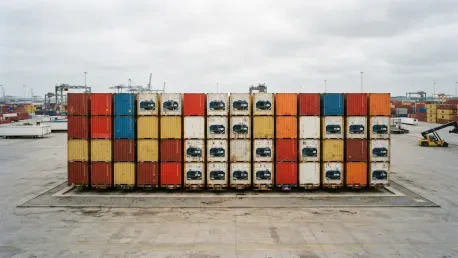
The logistics center spans an impressive 71,000 square meters, making it one of the most substantial facilities of its kind in the region. Located strategically along the Route 1 corridor, it provides a high-capacity buffer for international shipping fluctuations with a container yard designed to accommodate 7,000 Twenty-Foot Equivalent Units (TEUs). This physical scale is complemented by a sophisticated traffic management system featuring a dual-gate architecture. With six dedicated inbound lanes and six outbound lanes, the facility is engineered to eliminate the persistent bottlenecks that often plague traditional port-side operations. This design ensures that heavy haulers can navigate the site with maximum efficiency, significantly reducing turnaround times and fuel consumption. The inclusion of 3,200 square meters of covered warehouse space further allows for the safe handling of cargo that requires protection from the elements, providing a versatile environment for diverse commodities.
Catering specifically to the unique export profile of the Southern Cone, the hub features specialized infrastructure for temperature-sensitive goods. It is equipped with 140 electrical connections for refrigerated containers, or reefers, which are indispensable for Uruguay’s thriving beef, dairy, and fresh produce sectors. These connections are monitored by integrated power management systems that ensure consistent climate control throughout the storage period. To further enhance the efficiency of internal handling, the facility offers 1,000 pallet positions for rapid loading and unloading. This granular attention to the cold chain protects the integrity of perishable exports, which is a key requirement for maintaining access to high-value international markets. By offering these specialized services on such a large scale, the facility provides local producers with a reliable link to global consumers while minimizing the risks associated with temperature fluctuations during the transit process.
Integrated Services: A Seamless Supply Chain Approach
The operational philosophy at the Montevideo site centers on the reduction of fragmented logistics steps through a comprehensive service portfolio. By consolidating empty-container management, stripping, and stuffing within a single location, the hub eliminates the need for multiple intermediate transport legs between disparate warehouses and port terminals. This “one-stop-shop” approach provides shippers with unprecedented visibility into their inventory and simplifies the coordination required for complex international movements. Furthermore, the on-site presence of maintenance and repair teams ensures that container equipment is always in top condition before being deployed for new shipments. This proactive management style not only reduces the total cost of ownership for customers but also mitigates the risk of equipment failure during sea voyages. The synergy created by these integrated services allows for a more agile response to market demands, enabling businesses to scale their operations without the friction usually associated with traditional logistics models.
Environmental stewardship is deeply embedded in the design and daily operations of the new facility, aligning with the broader corporate goal of achieving net-zero emissions. The complex is on track to receive LEED Gold certification, a testament to its use of sustainable building materials and energy-efficient technologies. Solar panels installed across the site offset a significant portion of its electrical needs, while automated temperature and humidity controls in the warehouse optimize energy consumption. These green initiatives are increasingly critical as global companies face mounting pressure from consumers and regulators to reduce the carbon footprint of their supply chains. By investing in renewable energy and smart infrastructure, the hub demonstrates that industrial expansion and environmental responsibility are not mutually exclusive. This focus on sustainability also provides a competitive advantage, attracting international partners who prioritize ethical and eco-friendly logistics solutions as part of their own corporate social responsibility targets.
Government Collaboration: Strategic Regional Infrastructure Support
The inauguration of the hub was marked by the presence of high-ranking government officials, highlighting the project’s alignment with national economic goals. The Uruguayan state has actively supported such private ventures through a massive $2.1 billion investment in road and rail infrastructure scheduled for the current period from 2026 to 2030. This funding is dedicated to creating a robust multimodal network that includes the revitalization of the Central Railway and the upgrading of primary transport corridors. By improving the physical connectivity between the Port of Montevideo and the interior of the country, the government ensures that the increased volumes handled by the Maersk facility can flow smoothly across borders. This collaborative environment fosters a stable investment climate, encouraging other international entities to view the region as a primary logistics destination. The synergy between private capital and public infrastructure projects creates a multiplier effect, driving job creation and technological adoption.
Parallel to the physical infrastructure improvements, Uruguay is implementing significant regulatory reforms to streamline maritime activities and enhance national competitiveness. The introduction of the “Ventanilla Única Marítima” is a centerpiece of this digital transformation, aimed at unifying administrative procedures through a single electronic platform. This initiative reduces the reliance on paper-based documentation and accelerates the clearance process for vessels and cargo alike. By digitizing the interaction between private operators and government agencies, the state significantly lowers the administrative burden on logistics companies, allowing for faster turnaround times at the port. These reforms are part of a broader legislative push to modernize the trade environment, making it more transparent and efficient for global players. As these digital tools become fully operational, they will complement the physical capabilities of the new logistics hub, creating a high-tech ecosystem that is well-prepared to handle the complexities of modern international commerce.
Strategic Evolution and Future Industry Outlook
The launch of the Montevideo logistics hub signaled a significant evolution in how regional trade was managed, setting a new standard for integration and efficiency. Industry leaders recognized that the facility’s ability to merge physical storage with digital transparency offered a blueprint for future developments across South America. Moving forward, stakeholders should prioritize the adoption of predictive analytics and automated sorting technologies to further enhance the throughput of these massive terminals. It became clear that the success of such projects depended on the continuous alignment of private investment with government-led infrastructure upgrades. Regional players began to explore similar multimodal models to ensure they remained competitive in an era where speed and sustainability were no longer optional. The focus eventually shifted toward creating cross-border digital corridors that could mirror the physical efficiency of the hub, ensuring that the entire Southern Cone functioned as a cohesive and modernized trade bloc.
To maximize the impact of this new logistical infrastructure, businesses operating within the region focused on integrating their internal enterprise resource planning systems with the hub’s digital interface. This synchronization allowed for real-time adjustments to inventory levels based on port congestion or transit delays, creating a more responsive supply chain. Additionally, investment in professional development for the local workforce became essential to manage the increasingly complex automated systems that were deployed at the Montevideo site. As the maritime industry continued to transition toward greener fuels and smarter container tracking, the foundation laid by this hub provided the necessary scalability to incorporate subsequent technological breakthroughs. The proactive steps taken by both the private sector and the Uruguayan government ensured that the country transitioned from a traditional transit point into a sophisticated, value-added service center. This shift paved the way for broader economic diversification.