
The deceptive nature of off-chain signatures allows scammers to drain assets through the EIP-2612 Permit standard without requiring an immediate gas fee. As the decentralized finance ecosystem continues to mature in 2026, the technical complexity of these interactions has created a landscape where financial sovereignty is inextricably linked to technical literacy. A DeFi wallet serves as more than a digital storage unit; it functions as a sophisticated interface for managing the cryptographic keys that authorize every state change on a blockchain ledger. This paradigm shift from institutional trust to individual responsibility requires a profound understanding of how public and private keys operate in a decentralized environment. While the blockchain provides a transparent and immutable record of asset balances, the wallet is the critical tool that generates the digital signatures necessary to move those funds. Consequently, the safety of millions in digital assets rests on a user’s ability to maintain the integrity of their recovery phrase and comprehend the implications of every message they authorize.
Distinguishing Between Various Cryptocurrency Wallet Types and Their Respective Digital Asset Custody Models
Comparing the Security and Control of Self-Custody Solutions with the Convenience of Centralized Exchange Management
A fundamental distinction exists between a self-custody DeFi wallet and a wallet hosted by a centralized exchange such as Coinbase or Kraken. In a centralized model, the exchange acts as a custodian, managing the private keys on behalf of the user and providing a familiar interface protected by traditional passwords and two-factor authentication. These institutions operate under established regulatory frameworks, including the Markets in Crypto-Assets Regulation (MiCA), which mandate specific security protocols and offer a layer of institutional protection. If a user loses access to their account, the exchange can facilitate a recovery process through identity verification. Furthermore, centralized platforms often employ internal monitoring systems to flag or block suspicious transfers to known malicious addresses, acting as a buffer between the user and the complexities of the blockchain. This model prioritizes convenience and security through oversight, making it an entry point for those uncomfortable with the total responsibility of managing their own cryptographic secrets.
In contrast, choosing a DeFi wallet represents a commitment to the philosophy of “not your keys, not your coins,” granting the user total financial sovereignty without any institutional intermediary. This direct access allows for participation in advanced protocols like decentralized exchanges, lending markets, and liquidity pools that are often unavailable through centralized platforms. However, this freedom removes all traditional safety nets; a transaction signed in a DeFi wallet is considered final and valid by the network, with no central authority capable of reversing a mistake or recovering stolen funds. The user must manage their recovery phrase, a master key that can recreate the wallet on any device. Because there is no customer support or password-reset function, the loss of this phrase results in the permanent disappearance of the associated assets. This transition from institutional custody to self-hosted management requires a disciplined approach to security, as the user assumes the roles of both the account holder and the bank’s security officer.
Exploring Formats: Hardware and Software Solutions
Users typically choose between hot wallets and cold storage solutions depending on their specific needs for transaction frequency and asset security. Software wallets, which include browser extensions and mobile applications, are classified as “hot” because they maintain an active connection to the internet. These tools are designed for high utility, allowing users to interact seamlessly with decentralized applications through integrated browsers or secure connection protocols. Mobile applications often use sandboxing, a security feature that isolates the wallet from the rest of the phone’s operating system, and leverage biometric locks to prevent unauthorized local access. While these formats offer unparalleled convenience for daily trading and protocol interaction, they remain vulnerable to sophisticated malware or phishing attacks that target the device’s memory or input fields. Because the private keys reside on a connected device, any compromise of the underlying hardware can lead to the exposure of the entire wallet balance.
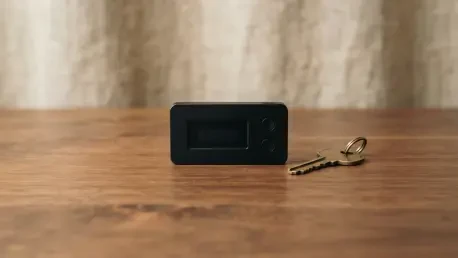
For long-term storage and high-value security, hardware wallets offer a “cold” environment where private keys are never exposed to the internet. These physical devices are designed to sign transactions in an isolated environment, requiring the user to physically press a button on the hardware to authorize any movement of funds. This air-gapped approach ensures that even if a computer is infected with malware, an attacker cannot extract the keys or forge a signature without physical access to the device. However, it is a common misconception that hardware wallets protect against all forms of fraud; while they prevent remote hacking of the keys themselves, they cannot stop a user from personally signing a malicious transaction that they believe to be legitimate. The hardware wallet ensures that the signature is authentic, but it does not evaluate the intent or the safety of the smart contract with which the user is interacting. Therefore, while hardware solutions significantly raise the bar for security, they must still be used with a high level of critical awareness.
Understanding Transaction Mechanics and Connection Risks
Connection Versus Signing: The Critical Distinction
Many users mistakenly believe that clicking “Connect Wallet” on a website is an action that puts their digital assets at immediate risk. In reality, connecting a wallet via a standard protocol like WalletConnect is a relatively passive interaction that only permits the website to view the user’s public address and token balances. This connection is necessary for the decentralized application to display relevant financial data and prepare transaction prompts for the user to review. No funds can be moved and no permissions are granted during this initial handshake. The process is similar to showing a bank statement to a merchant: they can see what is available, but they have no authority to withdraw money until specific authorization is provided. Understanding that a simple connection is generally safe helps users navigate the DeFi space without unnecessary anxiety, provided they remain vigilant about the subsequent prompts that follow the initial connection phase.
The transition from a connection to a signature is where the primary risk to assets emerges, as there is a profound technical difference between a blockchain transaction, which requires a gas fee and results in an immediate state change, and an off-chain signature, which is often free. These signatures are digital messages that can grant a third party the authority to act on the user’s behalf at a later time. Scammers frequently use these deceptive prompts to obtain what is effectively a digital “power of attorney” over a user’s tokens. Because these signatures do not cost gas, users often view them as harmless or routine. However, once a malicious signature is provided, the attacker can broadcast it to the network whenever they choose, draining the wallet without further input from the victim. This mechanic is the foundation of many modern “wallet drainers,” which trick users into signing away permissions under the guise of an airdrop claim or a security update, highlighting the need for careful scrutiny of every prompt.
Identifying Risks: Token Approvals and Allowances
The allowance mechanism is a fundamental component of the Ethereum Virtual Machine and similar blockchain architectures, designed to facilitate automated interactions with smart contracts. Before a decentralized exchange can swap a user’s tokens, the user must grant the contract permission to spend a specific amount from their wallet. To minimize future transaction costs and improve the user experience, many decentralized applications request an “unlimited” allowance by default. This means that after the initial approval, the contract has permanent permission to access any amount of that specific token in the user’s wallet. While convenient, this creates a latent vulnerability that persists long after the user has finished interacting with the protocol. If the smart contract is later found to have a security flaw, or if the developers turn out to be malicious, the unlimited allowance acts as an open door through which all of that specific token can be extracted at any time.
Managing these permissions is a critical aspect of wallet hygiene that many participants overlook until it is too late. An approval granted to a protocol years ago remains active on the blockchain indefinitely, regardless of whether the user has disconnected their wallet from the website or deleted the application. These permissions exist on the ledger itself, not within the local wallet software. To mitigate this risk, users must proactively manage their spending caps by manually entering a specific amount instead of accepting the unlimited default provided by the interface. Additionally, specialized blockchain tools such as Revoke.cash or the approval checkers on block explorers allow users to view every active allowance and cancel those that are no longer necessary. By regularly auditing these permissions and revoking access for protocols that are no longer in use, a participant can significantly reduce their attack surface and protect their holdings from being drained in a protocol-wide exploit.
Analyzing the Evolving Threat Landscape
Monitoring Phishing: The Significant Rise of Malicious Wallet Drainers within the Cryptocurrency Ecosystem
Despite continuous improvements in user education, signature phishing remains one of the most effective methods for stealing digital assets in the current market. According to security data from 2025, while the total volume of stolen funds has decreased from the previous year, the sophistication of these attacks has increased significantly. Scammers have largely moved away from simple requests to send funds to a specific address, as those are easily identified by both users and automated security filters. Instead, they focus on “Permit” signature traps that bypass traditional transaction warnings by utilizing off-chain messaging standards. These traps are often hidden within professional-looking websites that mimic legitimate DeFi platforms, using high-pressure tactics or the promise of exclusive rewards to rush the user into signing. The average loss per victim remains high, suggesting that attackers are targeting high-value wallets with tailored social engineering campaigns that exploit the complexity of modern signature types.
To counter these evolving threats, the development of transaction simulation tools has become a standard feature in many modern DeFi wallets. These tools run a simulated version of the proposed transaction on a private fork of the blockchain before the user confirms the signature. This allows the wallet to provide a clear, human-readable summary of exactly which tokens will leave the account and which will enter. If a signature prompt claims to be a simple login but the simulation shows that it will actually grant a spending allowance to an unknown address, the user can catch the fraud before it is finalized. These simulation layers are essential for identifying the “invisible” consequences of complex signatures that do not appear as standard transfers. As attackers continue to refine their methods to bypass basic security checks, the reliance on these predictive tools and the user’s willingness to pause and verify every prompt has become the most effective defense against the automated drainers that plague the ecosystem.
Evaluating Vulnerabilities: Upgrades and New Vectors
Technical advancements in blockchain networks often bring improved functionality, but they can also introduce unforeseen security risks that malicious actors are quick to exploit. A notable example occurred following the “Pectra” upgrade on the Ethereum network, which introduced EIP-7702. This standard was designed to allow traditional wallet addresses to temporarily adopt the characteristics of smart contracts, enabling useful features like transaction bundling and sponsored gas fees. However, this new capability also opened a window for a sophisticated form of delegation fraud. Attackers found ways to trick users into signing messages that delegated the authority of their address to a malicious smart contract. In August 2025, this specific method was used to facilitate thefts totaling millions of dollars within a single month. These incidents demonstrate that even well-intentioned upgrades can create new attack vectors if the community is not fully aware of how the new technical standards can be manipulated by those with deep technical knowledge.
The emergence of these complex vulnerabilities highlights the constant arms race between blockchain developers and cybercriminals. As the network transitions toward “account abstraction” and more programmable wallet behaviors, the simple security model of the past is being replaced by a more dynamic and potentially dangerous system. Users who interact with the latest protocols and experimental features are often the most at risk, as they serve as the testing ground for these new technical standards. Staying safe in this environment requires more than just keeping a seed phrase secret; it requires staying informed about the latest network upgrades and the specific types of signatures they enable. When wallet software issues a warning about a new or unusual signature type, it is imperative that the user investigate the reason for the warning rather than clicking through it. The complexity of modern DeFi means that a single signature can now have the same impact as a series of transactions, making each confirmation a high-stakes decision.
Navigating Logistics and Regulatory Requirements
Managing Gas: Understanding Native Tokens and the Precise Calculation of Network Fees for Successful Blockchain Transactions
Operating a DeFi wallet requires a practical understanding of network logistics, particularly the necessity of maintaining a balance of the blockchain’s native token to pay for gas fees. Every interaction with a decentralized ledger—whether it is a simple transfer, a token swap, or a smart contract approval—requires the payment of a fee to network validators. These fees must be paid in the native currency of the specific chain, such as Ether for Ethereum or SOL for Solana. A common mistake for newcomers is transferring stablecoins or other secondary tokens to a new wallet without also sending a small amount of the native gas token. Without this native balance, other assets are effectively “stuck,” as the wallet cannot pay the fees required to move them or interact with any protocols. This often forces users to perform additional transactions to fund their gas, which can be expensive and frustrating during periods of high network congestion when gas prices fluctuate rapidly.
Furthermore, the rise of Layer-2 scaling solutions like Arbitrum, Base, and Optimism has introduced another layer of complexity regarding network selection. While these networks offer significantly lower fees and faster transaction times, they operate as distinct environments. Assets sent to an address on one network will not automatically appear on another, even if the address itself is the same. This leads to a common situation where a user sends funds from a centralized exchange via a Layer-2 network but expects them to appear on the Ethereum mainnet. If the receiving wallet or exchange does not support that specific layer, the assets may be inaccessible or permanently lost. Users must be meticulous in selecting the correct network during every transfer and bridge interaction. As the ecosystem becomes increasingly multi-chain, the responsibility for ensuring compatibility and liquidity across different layers falls entirely on the user, making network selection a critical step in every transaction workflow.
Adapting to the Markets in Crypto-Assets Regulation and the European Union’s Transfer of Funds Regulations
The regulatory landscape for digital assets in the European Union has undergone a significant transformation with the implementation of the Markets in Crypto-Assets (MiCA) regulation and the Transfer of Funds Regulation (TFR). These frameworks aim to bring transparency to the movement of digital assets and mitigate the risks of money laundering and terrorist financing. While developers of self-custody wallet software are not currently required to obtain financial licenses, the interaction between these wallets and regulated centralized exchanges is now subject to strict oversight. As of late 2024, exchanges are required to collect and verify information regarding the sender and recipient of any crypto-asset transfer. For transfers exceeding a threshold of €1,000, the exchange must verify that the self-hosted address truly belongs to the customer initiating the transaction. This has shifted the user experience from a “permissionless” environment to one that requires active compliance steps when moving funds between private and institutional custody.
To comply with these verification requirements, users must often perform a “Satoshi test”—sending a small, specific amount of cryptocurrency to prove control—or sign a unique cryptographic message provided by the exchange. In some cases, exchanges may even require screenshots of the wallet interface to confirm the identity of the owner. These measures are designed to create a clear “audit trail” for digital assets, ensuring that they can be traced back to a verified identity. While some participants in the decentralized space view these regulations as a challenge to the privacy-centric nature of blockchain technology, they have become a standard part of the operational reality for anyone using regulated on-ramps and off-ramps. Navigating this environment requires users to maintain clear documentation of their self-hosted addresses and be prepared to prove ownership whenever they move assets into the traditional financial system. These rules have integrated the decentralized world more closely with the global financial infrastructure, imposing new administrative responsibilities on the individual user.
Establishing Best Practices for the Secure Management of Essential Organizational Information and Systems
Security Fundamentals: Hardware and Spending Caps
Maintaining a high level of security in the decentralized finance (DeFi) space requires a disciplined approach to both hardware and transaction management. The most effective strategy documented by industry participants involves the consistent use of hardware wallets for any address holding significant value. By requiring physical confirmation for every transaction, users ensure that their private keys remain isolated from the vulnerabilities of an internet-connected computer. This physical barrier proves to be the most reliable defense against the majority of remote hacking attempts and automated malware. Additionally, experienced participants adopt the habit of manually adjusting spending caps for every token approval. Rather than accepting the “unlimited” default provided by many decentralized application interfaces, they enter the exact amount of tokens required for the immediate transaction. This limits their financial exposure, ensuring that even if the protocol is later compromised, an attacker can only access the small amount that was previously authorized.
These practices created a layered defense system that protected against both technical hacks and social engineering. The combination of air-gapped key storage and granular permission control meant that an attacker would need to overcome multiple hurdles to successfully drain a wallet. Even in scenarios where a user was tricked by a sophisticated phishing site, the presence of a hardware wallet provided a final moment of reflection during the physical confirmation process. This second-step verification often allowed users to notice discrepancies between the website’s claims and the transaction details displayed on the hardware device’s screen. By treating every confirmation as a high-stakes event and refusing to take shortcuts with spending permissions, users successfully navigated the inherent risks of self-custody. This disciplined mindset transformed the wallet from a potential point of failure into a robust personal fortress that allowed for safe participation in the burgeoning decentralized economy.
Asset Management: Audits and Vault Separation
The long-term health of a DeFi portfolio depends heavily on regular maintenance and a strategic approach to wallet organization. Proactive users use blockchain auditing tools to periodically review all active token approvals associated with their addresses. By revoking permissions for protocols that are no longer in use, they effectively close old doors that could serve as entry points for future exploits. This hygiene is particularly important given the frequency with which hackers target older smart contracts. Furthermore, a strategy of “asset separation” has become a standard best practice among those with substantial holdings. This involves using a “vault” wallet—a cold storage address that never interacts with decentralized applications—for the vast majority of assets. A separate “burner” wallet, containing only the funds necessary for immediate trading, is used for all day-to-day interactions. This structure ensures that even a total compromise of the burner wallet will not impact the user’s primary savings.
The findings from years of ecosystem monitoring suggested that meticulous record-keeping was equally vital for security and legal compliance. Maintaining a detailed log of every transaction, swap, and approval provided the necessary “proof of ownership” required by regulated financial institutions and tax authorities. As the regulatory environment became more transparent, the ability to demonstrate the history and origin of digital assets became a requirement for those wishing to move funds back into the traditional banking system. This administrative oversight allowed users to meet the verification standards of the Transfer of Funds Regulation without delay. Ultimately, the most successful participants in the decentralized finance space were those who treated their wallets with the same level of professional care as a traditional investment portfolio. By implementing regular security audits, separating their assets based on risk levels, and keeping thorough records, they secured their place in the future of finance while minimizing the risks inherent in the decentralized frontier.