
Modern residential automation has evolved far beyond simple voice commands and smartphone apps, transforming into a silent digital nervous system that anticipates human needs through a network of invisible data points. While high-profile devices like smart locks and interactive video doorbells often capture the public imagination, the true intelligence of a modern dwelling lies in the sensors tucked away in corners, under sinks, and on bookshelves. These compact devices serve as the frontline of environmental awareness, constantly gathering real-time data on variables ranging from micro-movements to subtle shifts in humidity levels. By monitoring these environmental factors continuously, sensors allow a home to react autonomously, effectively removing the friction of manual intervention. Historically, creating such a responsive environment was an expensive endeavor reserved for luxury installations, but the market in 2026 has shifted significantly toward high-performance hardware available for under $20.
Monitoring the Home Environment
Precision Temperature and Humidity Tracking
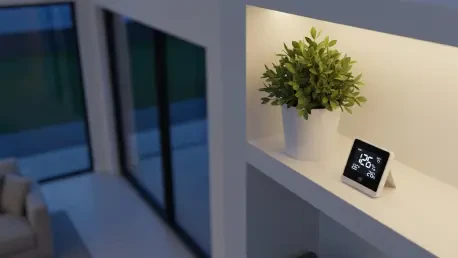
Climate control remains a primary objective for those entering the world of home automation, and the Thirdreality Temperature and Humidity Sensor offers a professional-grade solution at a budget-friendly price point. This device is equipped with high-precision Sensirion technology, which is widely recognized in the industry for its ability to monitor atmospheric conditions with extreme accuracy. Unlike cheaper alternatives that might lag or provide inconsistent readings, this sensor delivers granular data that can detect even the slightest changes in a room’s microclimate. Because it operates on the Zigbee 3.0 protocol, it integrates seamlessly with popular smart hubs such as the Amazon Echo or dedicated Home Assistant setups. This communication method is particularly advantageous because it creates a stable mesh network that does not compete for bandwidth with high-traffic devices on the local Wi-Fi, ensuring that environmental updates are transmitted quickly and reliably.
The physical design and maintenance of these sensors also reflect a focus on long-term utility and user convenience within a modern smart home ecosystem. Utilizing standard AAA batteries rather than niche coin-cell alternatives, the Thirdreality sensor simplifies the replacement process while providing an extended operational lifespan that reduces the frequency of maintenance tasks. This reliability is critical for maintaining an accurate historical log of climate data, which can be used to identify patterns in heating and cooling efficiency throughout different seasons. Furthermore, the inclusion of a clear digital display allows for quick manual checks without needing to open a smartphone application, bridging the gap between traditional hardware and digital connectivity. By offering such a robust feature set for approximately $20, this hardware democratizes access to professional-level climate monitoring, allowing users to outfit every room in a house without exceeding a modest budget.
Automation Triggers for Climate Control
The fundamental value of deploying environmental sensors lies in their ability to act as sophisticated triggers for complex automation routines that enhance daily living conditions. Homeowners are no longer limited to basic scheduling; instead, they can create dynamic responses where a space heater in a nursery activates only when the temperature drops below a specific threshold, or a dehumidifier in a basement engages when moisture levels threaten to cause structural damage. This level of automation ensures that energy is only consumed when absolutely necessary, directly contributing to lower utility costs and a reduced environmental footprint. The integration of these sensors into a broader ecosystem means that data from a single $20 device can influence the behavior of expensive HVAC systems, maximizing the return on investment for the entire home infrastructure through smarter resource management.
Beyond simple temperature regulation, these sensors facilitate specialized routines that cater to specific hobbies or health requirements, such as maintaining optimal conditions for a wine cellar or an indoor garden. In 2026, the sophistication of automation platforms allows these sensors to interact with smart plugs and window actuators to create a holistic approach to air quality and comfort. For instance, if the humidity in a kitchen rises rapidly during cooking, the system can automatically trigger an exhaust fan or open a motorized vent to restore balance. This proactive management of the indoor environment happens entirely in the background, allowing residents to focus on their activities while the house handles the logistics of comfort. The consistency of the Zigbee protocol ensures that these critical triggers are executed with minimal latency, providing a level of responsiveness that was previously only available in wired systems.
Efficient Motion and Presence Detection
Universal Standards with IKEA’s Motion Solutions
Motion detection has long been a staple of automated lighting, but the introduction of IKEA’s Myggspray sensor has redefined the value proposition for this category by offering Matter compatibility for just $10. Matter represents a pivotal shift in the industry, establishing a universal standard that allows devices from competing brands like Apple, Google, and Amazon to communicate locally and securely without proprietary barriers. While the initial setup process for these budget-friendly sensors may require a degree of patience from the user, the long-term benefits of cross-platform compatibility are immense. This versatility ensures that a single motion sensor can trigger a light in the Apple Home ecosystem while simultaneously updating a security dashboard in Google Home, providing a level of flexibility that prevents users from being locked into a single manufacturer’s hardware.
The Myggspray sensor is particularly effective for high-traffic areas where automated lighting can significantly improve convenience and safety, such as dark hallways, closets, or laundry rooms. Its compact form factor allows for discreet placement on walls or ceilings, ensuring that the technology does not disrupt the aesthetic of a well-designed interior. By operating locally through a Matter-enabled hub, the sensor avoids the delays associated with cloud-based processing, resulting in near-instantaneous light activation as soon as a person enters a room. This local control also enhances privacy, as motion data does not need to be transmitted to external servers for processing. For homeowners looking to scale their automation projects, the ability to purchase multiple reliable sensors for the price of one premium alternative makes it feasible to automate every transition zone in a large residence efficiently.
Advanced Occupancy Sensing with Radar Technology
While traditional motion sensors have relied on passive infrared technology for decades, the Sonoff Human Presence Sensor represents a major technological leap by utilizing 5.8GHz microwave radar. Conventional sensors often fail to maintain an active state when a person sits still, leading to frustrating situations where lights turn off while someone is reading or working at a desk. In contrast, radar-based technology is sensitive enough to detect the minute movements associated with human life, such as the rhythmic rise and fall of a person’s chest while breathing. This high level of sensitivity allows the sensor to distinguish between an empty room and a room occupied by a stationary person, ensuring that essential services like lighting and climate control remain active until the occupant actually departs. This capability transforms a basic motion trigger into a true occupancy-aware system.
The implementation of microwave radar technology also provides a level of environmental resilience that infrared sensors cannot match, as radar waves can penetrate light obstacles like curtains or glass. This allows for more creative placement options, such as mounting a sensor behind a decorative panel to maintain a completely hidden aesthetic without sacrificing performance. The Sonoff sensor also includes built-in light sensing capabilities, which adds another layer of intelligence to the automation logic. By assessing the ambient light levels in a room, the system can decide whether to activate the lights based on both occupancy and the current time of day. This prevents the unnecessary use of electricity during daylight hours, further optimizing the energy efficiency of the home while providing a seamless experience for the occupants who no longer need to touch a light switch.
Refining Automation via Stationary Detection
Bridging the gap between simple motion detection and comprehensive occupancy sensing allows for the creation of much more sophisticated logic within a smart home’s operating system. By utilizing the stationary detection capabilities of radar sensors, a home can implement energy-saving strategies that were previously impossible with less sensitive hardware. For example, a living room’s climate control can be set to an eco-mode when the room is empty but switch to a comfort profile the moment someone enters and remains seated. This precision eliminates the “false negatives” that plague cheaper PIR sensors, where the system incorrectly assumes a room is vacant because the occupant is not moving enough. The result is a much more natural interaction between the home and its residents, where the technology adapts to human behavior rather than requiring humans to adapt to the tech.
Furthermore, the integration of these advanced sensors into a unified platform enables multi-sensor logic that further refines the accuracy of automated events. A radar sensor can be paired with a door contact sensor to create a “wasp-in-a-box” algorithm, which confirms occupancy based on whether a door was opened and if presence is still detected in the room. This level of detail is particularly useful for security applications and for managing the needs of elderly residents who may spend long periods sitting in one location. Because these devices are now available for under $20, it is possible to implement this level of sophistication in every room of a house. The democratization of microwave radar technology ensures that high-end features, once reserved for commercial buildings or custom luxury installs, are now accessible to the average DIY enthusiast looking to improve their living environment.
Security and Specialized Asset Protection
Guarding Valuables with Vibration and Tilt Sensors
For security needs that extend beyond the capabilities of standard perimeter cameras and door sensors, the Aqara Vibration Sensor offers a specialized layer of protection for less than $19. This compact device utilizes a high-precision internal accelerometer to detect subtle movements, including shaking, tilting, or even a sudden drop. Such sensitivity makes it an ideal tool for monitoring high-value assets or restricted areas within the home that might not be covered by traditional security systems. Homeowners can attach these sensors to liquor cabinets, jewelry boxes, or expensive artwork to receive instant notifications on their smartphones the moment a restricted object is touched. This granular level of monitoring provides peace of mind by alerting residents to potential issues long before a traditional alarm might be triggered, allowing for a more proactive approach to asset protection.
The versatility of vibration detection allows for creative security implementations that go far beyond guarding valuables in a safe. For instance, a sensor placed on a window pane can detect the specific vibration frequency of glass breaking or someone attempting to pry the frame open, providing an early warning system that complements standard contact sensors. The Aqara sensor features adjustable sensitivity levels, which is crucial for preventing false alarms caused by environmental factors like heavy traffic outside or a pet bumping into a cabinet. By fine-tuning these settings within a Zigbee-compatible app, users can ensure that the sensor only triggers when a genuine threat is detected. This discreet and affordable technology adds a sophisticated layer of “micro-security” to a home, ensuring that the most sensitive items are protected by a digital watchdog that never sleeps.
Strategic Placement for Non-Traditional Security
Beyond protecting physical assets, vibration and tilt sensors can be deployed in strategic locations to monitor the structural integrity or status of various home components. A sensor attached to a garage door can verify its position through tilt detection, providing a secondary confirmation that the door is fully closed and secured for the night. Similarly, these devices can be used on appliance doors or even medicine cabinets to track usage and ensure that dangerous items are not accessed by unauthorized individuals. The small size of the hardware allows it to be hidden from view, maintaining the security of the monitoring system itself. This “security through invisibility” is a core tenet of modern home protection, where the most effective tools are those that a potential intruder does not even know are present or active.
The integration of these specialized sensors into a broader security routine allows for automated responses that can deter intruders or prevent accidents. If a vibration is detected on a safe during late-night hours, the smart home system can be programmed to flash all exterior lights and sound a localized alarm, effectively scaring off an intruder before they can complete a theft. Additionally, the data gathered by these sensors can be logged over time to identify unusual patterns of activity, providing homeowners with a deeper understanding of the security profile of their residence. By investing in a few of these inexpensive components, a DIY user can build a customized protection network that rivals expensive professional installations, focusing specifically on the areas of the home that matter most to their individual circumstances and lifestyle.
Integration Trends in Modern Smart Homes
The Shift Toward Zigbee and Matter Protocols
The recent shift in the smart home market toward open communication standards like Zigbee and Matter has been a primary driver in making high-performance sensors affordable for the general public. In previous years, manufacturers often locked users into closed ecosystems that required expensive proprietary hubs and constant cloud connectivity to function. However, the industry has recognized that local control is the key to both speed and privacy, leading to the widespread adoption of protocols that allow devices to talk directly to a local controller. This transition means that even a budget-friendly sensor can deliver professional-grade responsiveness, with automation routines executing in milliseconds rather than waiting for a round-trip to a remote server. This reliability is essential for critical tasks like turning on a light when motion is detected at the top of a staircase.
Furthermore, the move away from cloud-dependent hardware significantly enhances the privacy and longevity of a smart home investment. When a sensor operates locally via Zigbee or Matter, sensitive data about occupancy and movement remains within the walls of the home, shielding residents from the data mining practices of large corporations. This architectural choice also ensures that the home’s automation routines will continue to function flawlessly even if the internet connection is interrupted or if a manufacturer decides to shut down its servers. By prioritizing these open standards, homeowners can mix and match the best sensors from various brands, confident that they will work together in a unified system. This interoperability has fostered a competitive environment where performance is high and prices are low, benefiting the consumer who can now build a robust network for a fraction of the previous cost.
Creative Applications for Maximum Utility
The true effectiveness of a modern smart home setup is often limited only by the creativity of the person deploying these inexpensive and versatile tools. A vibration sensor, for example, can be repurposed as a laundry-completion notifier when attached to a washing machine, sending a notification to the entire household when the cycle’s vibrations cease. Similarly, a high-precision temperature sensor can serve as an early warning system for a malfunctioning refrigerator or even act as a supplementary fire detector in areas where traditional smoke alarms might be slow to react to a localized heat spike. By thinking outside the box, enthusiasts can leverage sub-$20 components to solve unique household challenges, transforming a collection of simple gadgets into a comprehensive and highly customized management system that adapts to their specific needs.
These creative deployments highlight the shifting philosophy of home automation, where the focus has moved from flashy gimmicks to practical, data-driven utility. Using a combination of motion, contact, and environmental sensors, a homeowner can create a “goodnight” routine that confirms all doors are locked, adjusts the thermostat for sleep, and ensures all lights are off—all triggered by the simple act of placing a smartphone on a wireless charger or a motion sensor detecting presence in the bedroom. This level of sophistication does not require a massive financial investment but rather a strategic application of affordable hardware. As the market continues to mature, the availability of these high-performance sensors ensures that the benefits of a truly intelligent living space are accessible to everyone, regardless of their technical expertise or the size of their budget.
Advancing Domestic Intelligence through Strategic Implementation
Homeowners who implemented these high-performance sensor strategies achieved a new level of domestic efficiency and security without the traditional financial burden. The shift toward local protocols like Matter and Zigbee proved to be a decisive factor in maintaining system reliability and data privacy during a period of rapid technological change. By focusing on precision hardware from brands like Thirdreality, Sonoff, and Aqara, early adopters successfully moved away from reactive control to proactive home management. These efforts demonstrated that the most effective smart home was not necessarily the most expensive one, but rather the one that utilized granular data to solve everyday problems autonomously. Moving forward, the continued expansion of sensor capabilities will likely focus on even deeper integration and more refined artificial intelligence at the edge. The successful deployment of these sub-$20 tools established a solid foundation for any modern residence seeking to balance cutting-edge technology with practical, long-term value and sustainability.