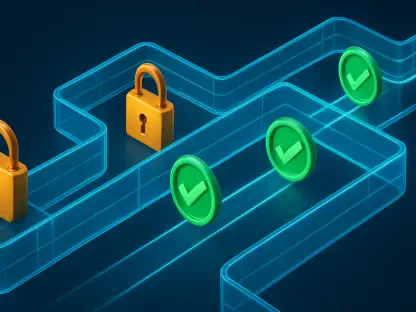

The Vital Role of Education in Safeguarding Digital Assets
In the current digital landscape of 2026, the traditional defense of cryptocurrency assets has shifted from basic password protection toward a sophisticated understanding of platform architecture. Binance recognized that technical measures are no longer sufficient to stop bad actors. By pivoting toward product literacy, the exchange aims to build a resilient user base. Transparency regarding operations serves as a primary shield against fraudulent schemes exploiting investor confusion.
The Evolution of Crypto Scams and the Need for Conceptual Clarity
Threats transitioned from simple phishing to social engineering scams leveraging brand reputations. Scammers capitalize on a lack of understanding regarding how centralized exchanges operate. Many attacks occur because victims do not realize the actual operational boundaries of the platform, making conceptual education a vital defense. Understanding this context is essential for navigating a market where misinformation is as dangerous as a direct hack.
Strategic Product Literacy: A New Standard for User Security
Distinguishing Between Custodial and Self-Custody Frameworks
Literacy involves knowing the difference between custodial and non-custodial services. Binance maintains custody of assets to facilitate trading, but the “Binance Wallet” is a self-custody product where the user holds the keys. Scammers pose as support to request keys, yet a literate user knows an exchange never asks for them. This realization prevents losses from unauthorized account access.
Operational Agility and the Risks of Listing Misinformation
Binance frequently adjusts trading pairs—such as removing spot pairs like BONK or LDO in late October 2026—to maintain liquidity. Users who do not grasp these adjustments are susceptible to “fake listing” scams. By following public announcements, investors distinguish between official actions and fraudulent pressure. Recognizing routine administrative adjustments reduces the efficacy of scams creating a false sense of urgency.
Navigating Jurisdictional Limitations and Fee Transparency
Many believe traditional protections, like the UK’s FSCS, apply to crypto. Binance clarifies that these safety nets usually do not exist. Transparency regarding fees also helps users identify red flags when third parties claim to offer insurance or transfers that contradict official platform policies. Identifying these contradictions allows participants to spot fraud before engaging with illegitimate services.
The Future of Exchange Security and User Responsibility
The industry moved toward shared responsibility models using educational checkpoints. Regulatory pressure forced platforms to provide localized content addressing specific scams. While AI-driven detection assists, the core of security remained the user’s ability to discern reality from deceptive marketing tactics. Experts predicted that literate users would lead to higher retention rates and lower successful phishing incidents.
Practical Strategies for Navigating the Binance Ecosystem
Users must verify custody models and stay informed via verified channels. Recognizing that no legitimate representative requests a password provides an immediate defense. These insights allowed consumers to move toward active protection, ensuring their digital assets remained secure in a volatile environment. Consistent verification of platform announcements remained the most effective way to separate facts from fraudulent communications.
Empowering Users Through Transparent Communication
The focus on literacy offered a fundamental shift in security. Participants analyzed platform boundaries before committing capital, emphasizing that the strongest security feature was the user’s own knowledge. These actions effectively minimized the success of phishing attacks and improved overall market resilience. By treating education as a core product feature, the industry established a more sustainable model for long-term digital asset protection.