
The promise of a seamless smart home has long felt like a distant vision, frequently interrupted by fragmented ecosystems and the rigid limitations of voice assistants that struggle to understand context. While competitors have focused on sheer device volume, the introduction of Apple Intelligence has provided a catalyst for transforming the house from a collection of connected gadgets into a cohesive, sentient living environment. This transition marks the beginning of an era where the home responds to natural language and subtle cues rather than specific, pre-programmed phrases that often fail to trigger the desired response. As of 2026, the focus is squarely on the integration of Large Language Models within the local network, ensuring that sensitive data never leaves the building while providing processing power previously reserved for the cloud. The challenge remains whether this high-tech infusion can overcome the lingering skepticism of a public weary of complex setups and frequent connectivity drops.
Intelligence in Action: Redefining the User Experience
Apple Intelligence has fundamentally altered the interaction model by introducing a semantic index that understands the relationships between users, their locations, and habitual behaviors. Instead of a user having to remember the exact name of a smart plug behind a couch, the system now interprets vague requests like “make the room cozy for a movie” by analyzing time of day and typical lighting preferences. This contextual awareness is facilitated by on-device processing that maps out the home’s layout and the status of every Matter-certified device in the vicinity. By moving away from a command-and-control interface to an intent-based system, the barrier to entry for smart home adoption has significantly lowered. This shift allowed families to interact with their surroundings more naturally, reducing the friction that previously relegated smart features to a hobbyist pursuit. The result is a domestic space that feels more responsive and less like a computer interface requiring a manual.
Beyond simple voice interactions, the current implementation of AI within the home ecosystem leverages the extensive data available across the broader suite of personal devices to predict needs. For instance, if a calendar event indicates a late arrival from work, the home hub can autonomously adjust the climate and exterior lighting to accommodate the schedule change without any direct input from the user. This level of synchronization is supported by Private Cloud Compute, which extends the capabilities of on-device models to larger server-side resources while maintaining rigorous privacy protections. Such a balance between power and security is vital for gaining the trust of users who are increasingly wary of surveillance and data breaches in their private spaces. By ensuring that automation is both smart and secure, the platform has managed to carve out a unique position in a market that has often prioritized data harvesting over user experience and long-term security.
Ecosystem Synergy: The Role of Hardware and Standards
The physical infrastructure of the smart home has also seen a significant overhaul to support the demands of these new intelligence features, with modern hubs featuring dedicated neural engines. Devices like the latest HomePod and integrated wall-mounted displays now act as local servers, processing complex routines and media requests without the latency associated with remote data centers. These hardware advancements are essential for maintaining the fluid performance required for real-time adjustments to security systems and energy management tools. Furthermore, the expansion of the iPad as a central control station has provided a visual touchpoint for managing the growing complexity of home networks. These screens offer a dynamic overview of the home, utilizing augmented reality to show the exact status of appliances through a simple camera overlay. This blend of physical and digital control ensures that users have multiple ways to interact with their environment at any time.
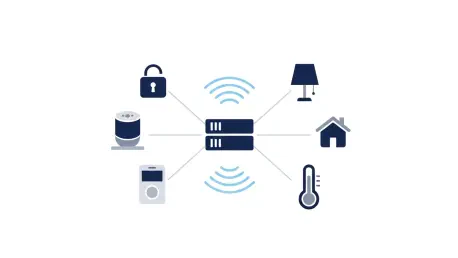
A crucial component of this comeback is the robust support for the Matter protocol, which has bridged the gap between once-siloed manufacturers and the broader Apple ecosystem. By acting as a universal translator, Matter 1.4 and 1.5 have allowed Apple Intelligence to communicate with thousands of third-party sensors and appliances that were previously difficult to integrate. This interoperability means that a homeowner can choose the best hardware for their specific needs—whether it be a specialized water leak sensor or a high-efficiency smart oven—without worrying about software compatibility. This open-standard approach has fostered a more competitive market, driving innovation and lowering costs for consumers who were previously locked into a single brand’s offerings. The ability for Siri to manage a diverse array of non-Apple products with precision has been a game-changer. As this network grows, the underlying AI continues to simplify the user experience.
Navigating the New Era of Domestic Automation
The landscape of home automation was successfully revitalized through a strategic emphasis on user-centric intelligence and a commitment to universal standards that simplified the ownership experience. Leaders in the field discovered that the path to widespread adoption required moving past flashy features toward reliable, invisible technology that addressed real-world problems. Consumers were encouraged to audit their existing infrastructure to ensure that new investments aligned with the latest security protocols and interoperable standards. The focus shifted toward building a foundation of high-quality sensors and hubs that could support future software enhancements without requiring a complete hardware replacement every few seasons. It was evident that the most successful implementations were those that valued the privacy of the individual as much as the convenience of the automation itself. By prioritizing local processing, the industry established a new benchmark for what a truly intelligent home could provide.