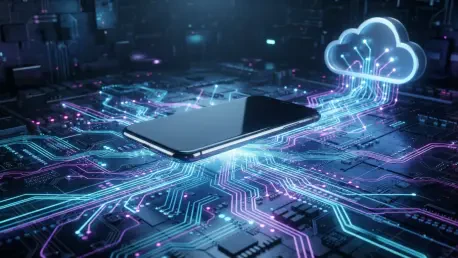

Safety protocols for connected cars must be engineered to ensure that remote immobilization never occurs while a vehicle is in motion to avoid causing life-threatening accidents. This necessity highlights a broader shift in how society perceives the products it buys, where the physical object is increasingly a vessel for code managed by a distant entity. When a consumer walks out of a store with a high-end smartphone or drives a new electric vehicle off the lot, the transaction no longer represents a clean break from the manufacturer. Instead, it marks the beginning of a persistent, digital relationship defined by telemetry and remote access. Recent incidents where stolen devices were instantly deactivated across entire cities demonstrate that the power to render an object useless now resides in the cloud rather than the hands of the holder. This technological leash offers undeniable security benefits, yet it simultaneously erodes the traditional autonomy associated with personal property. To navigate this landscape, it is essential to understand that the smart features we cherish are also the tools that can revoke our access at a moment’s notice.
The Mechanics of Remote Security and Its Limits
Safeguarding Hardware through Digital Infrastructure
The foundational layer of modern asset protection rests on account-based locking mechanisms that link hardware to a specific user identity via manufacturer servers. For instance, Apple’s Activation Lock and Google’s Factory Reset Protection (FRP) ensure that even if a thief performs a hardware-level wipe, the device remains inoperable without the original owner’s credentials. This transformation of a functioning device into a “brick” has fundamentally altered the economics of street-level crime. If a stolen item cannot be resold or even used as a donor for internal components, the incentive to steal it vanishes. Furthermore, cellular providers have streamlined the use of the International Mobile Equipment Identity (IMEI) to blacklist stolen units across global networks. This coordinated effort between hardware makers and service providers creates a hostile environment for the unauthorized possession of tech, effectively using the Internet of Things as a decentralized force that tracks and disables assets in real time to protect the user’s investment.
Technical Vulnerabilities in the Connected Ecosystem
Despite these sophisticated defenses, digital security is rarely absolute and remains dependent on constant connectivity. Experts point out that if a device is shielded from a signal or kept offline, remote kill switches and tracking commands cannot be executed. Furthermore, organized criminal networks often find workarounds, such as stripping devices for parts or using social engineering to hijack user accounts. This cat-and-mouse game suggests that while remote control improves security, it also creates new targets for high-level cyberattacks. If a manufacturer’s central server is compromised, the very tools meant to protect consumers could be weaponized to lock millions of legitimate users out of their own essential equipment. Additionally, the move toward total digital lockdown raises concerns about the right to repair, as independent shops find themselves unable to replace broken screens or batteries without specialized software keys held exclusively by the manufacturer. This reliance on a central authority for basic maintenance erodes the user’s control.
The Expansion of Corporate Control and the Licensing Model
From Smartphones to Smart Vehicles
The paradigm of remote intervention is no longer confined to pocket-sized electronics, having rapidly permeated the automotive industry through the integration of sophisticated telematics. Modern vehicle manufacturers now offer service packages that include stolen vehicle tracking and “Start Inhibit” functions, which can prevent an engine from turning over if a theft is reported. These features turn a car from a mechanical tool into a connected computer on wheels, providing a layer of security that was previously impossible without aftermarket hardware. However, the centralization of this control poses a unique set of systemic risks that differ from the loss of a smartphone. A server-level breach at a major automotive manufacturer could theoretically grant an attacker the ability to immobilize thousands of vehicles simultaneously or track the precise movements of every customer in real time. This potential for mass disruption has prompted experts to demand a rigorous separation between the car’s infotainment systems and its core operational architecture to ensure safety.
The Legal Erosion of Physical Ownership
The legal framework surrounding connected devices has shifted toward a model where consumers own the physical atoms of a product but only license the bits that make it work. This distinction is far from academic; it provides manufacturers with the “hidden power” to dictate the lifespan of a product through software updates or the withdrawal of server support. When a company decides to end support for a specific model, a perfectly functional piece of hardware can be rendered obsolete or “bricked” because it can no longer communicate with the central cloud. This practice often forces consumers into an artificial upgrade cycle, as the lack of security patches makes using an older device a significant liability. The End User License Agreement (EULA) has become the dominant legal instrument governing property, often containing clauses that allow companies to monitor usage data or restrict how the device is used in conjunction with third-party accessories. This legal architecture effectively treats the purchaser as a long-term tenant rather than an absolute owner.
The Path Toward Digital Autonomy and Resilience
The transition from physical possession to digital licensing demanded a reassessment of how consumer rights were protected in a hyper-connected marketplace. Lawmakers and industry leaders began to implement standards that prioritized user sovereignty, ensuring that the convenience of remote management did not come at the cost of personal privacy or property stability. It became clear that the most effective solution involved a combination of legislative mandates for hardware interoperability and technical “off-ramps” that allowed devices to function without a persistent internet connection. By fostering an ecosystem where owners had the option to host their own control servers or utilize open-source firmware, the industry moved toward a more balanced power dynamic. These steps ensured that the technological advancements in asset protection actually empowered the consumer rather than just the corporation. Moving forward, the focus turned toward creating resilient hardware that maintained core functionality regardless of any manufacturer’s future business choices.