
The official designation of Romania as a primary growth engine highlights a broader regional trend of diversifying energy portfolios away from traditional hydrocarbons. HELLENiQ ENERGY, formerly recognized as HELLENIC PETROLEUM, has executed a remarkable strategic pivot, identifying Romania as its most vital market outside of its domestic base in Greece. This transition is underpinned by a massive financial commitment exceeding €1.3 billion through 2030, a sum that signifies more than just corporate expansion; it represents a fundamental restructuring of the regional energy landscape. By channeling these substantial funds through its local arm, HELLENiQ Renewables Romania, the conglomerate is effectively moving from high-level strategic planning to the deployment of tangible, high-capacity infrastructure across the country. This capital injection is specifically designed to support the nation’s decarbonization goals while simultaneously strengthening its energy independence in an increasingly volatile global market. As the region moves away from a historical reliance on fossil fuels, the integration of these large-scale renewable projects serves as a blueprint for other Southeast European nations aiming to modernize their aging power grids. This initiative reflects a sophisticated understanding of how corporate international growth must intersect with national security and technological evolution to be truly effective in the current economic climate, setting a high standard for energy transitions across the continent.
Expanding the Renewable Footprint: Solar and Wind Integration
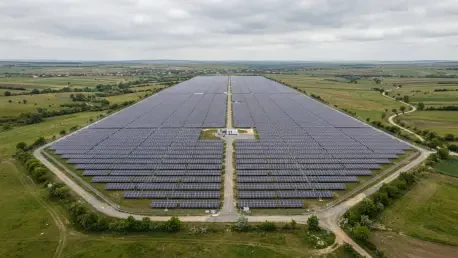
The foundation of HELLENiQ’s operational presence in Romania is built upon a robust portfolio of solar energy assets that are already contributing significantly to the national electricity supply. Currently, the organization manages four major photovoltaic parks strategically located across the southern counties of Teleorman, Giurgiu, Olt, and Dolj. With a combined capacity of 211 MW, these facilities are not merely experimental sites but are fully functional power generators that provide enough electricity to sustain approximately 155,000 households annually. This existing footprint provides the necessary technical and financial baseline for the group to scale its operations even further during the 2026 to 2030 period. By demonstrating the viability of large-scale solar production in the Romanian climate, HELLENiQ has established a level of corporate credibility that distinguishes it from many speculative investors who often exit the market before a project reaches completion. The move to consolidate these assets under a unified local management platform allows for better operational efficiency and a more direct contribution to the Romanian energy balance, which is increasingly under pressure to replace coal-fired units with cleaner, more sustainable alternatives that meet European Union environmental standards.
Building upon the documented success of its solar initiatives, the group is now aggressively diversifying its technological mix to include wind energy, which offers a different production profile that complements photovoltaic generation throughout the seasons. A major milestone in this strategic diversification is the 96 MW wind farm situated in Galați County, which is slated to become fully operational by the second quarter of 2027. Once completed, this facility is expected to match the energy output of the existing solar parks, effectively doubling the number of households served by the company’s green energy production within a very short timeframe. This diversification is a key component of the broader strategy to reach 800 MW of renewable capacity within the next few years. By balancing solar and wind assets, HELLENiQ can effectively mitigate the risks associated with weather variability, ensuring a more consistent and predictable flow of power to the national grid. This multi-technology approach is essential for a country like Romania, which possesses diverse geographical advantages ranging from the sun-drenched southern plains to the wind-rich regions near the Black Sea. The expansion represents a clear commitment to providing a balanced and reliable energy mix that can adapt to the rising demand for electricity in an increasingly electrified and digitalized economy.
Enhancing Grid Resilience: The Strategic Role of Battery Storage
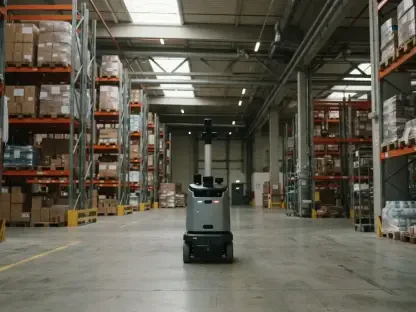
Perhaps the most critical component of the Romanian investment plan is the large-scale integration of Battery Energy Storage Systems, commonly known as BESS. HELLENiQ has recognized that generating renewable energy is only half the battle; the real challenge in modernizing a power grid lies in managing that energy in a way that aligns precisely with consumer demand patterns. To this end, the company is developing an ambitious 1,500 MWh storage portfolio, which will include both standalone battery units and systems co-located with existing renewable generation sites. These advanced storage solutions are designed to address the inherent intermittency of wind and solar power by capturing excess electricity during periods of high production and releasing it when demand peaks or weather-dependent production drops. This technological buffer is essential for preventing energy waste and reducing the grid’s reliance on expensive and carbon-intensive “peaker” plants that typically run on natural gas or coal. By investing heavily in storage, HELLENiQ is not just building power plants; it is constructing the technical flexibility that the Romanian electricity system requires to remain stable as it transitions away from traditional baseload power sources that lack the agility of modern storage.
The deployment of such significant storage capacity positions HELLENiQ as a vital partner to the national grid operator, helping to maintain frequency and voltage stability across the entire country. In the current energy landscape, grid congestion and stability issues are often the primary bottlenecks preventing the rapid adoption of new renewable projects. By providing 500 MW of BESS capacity specifically fast-tracked for development between 2026 and 2028, the company is offering a solution that allows the existing infrastructure to absorb more green energy without requiring immediate and costly upgrades to the high-voltage transmission lines. This proactive approach to grid management demonstrates a transition beyond simple power generation toward becoming a sophisticated energy services provider. The focus on storage reflects a broader European consensus that batteries are the linchpin of the energy transition, providing the necessary quick-response capability to manage the fluctuating nature of modern power systems. This strategic emphasis ensures that the shift toward renewables does not compromise the reliability of the power supply for industrial users and residential consumers alike, fostering long-term confidence in the national energy strategy and paving the way for further investment in the sector.
Strategic Evolution: The Transition to an Integrated Green Utility
This massive investment in Romania is a centerpiece of the broader corporate transformation from its legacy petroleum roots to a future-focused energy leader. Under the “Vision 2035+” framework, the group is fundamentally altering its business model, moving away from hydrocarbon refining and marketing to become an integrated “Green Utility.” This evolution involves managing the entire energy value chain, from initial generation and storage to final supply and customer services for the general public. By the end of the decade, the group aims to have an installed global renewable capacity exceeding 2 GW, with a significant portion of that growth concentrated in Southeast Europe. This strategic shift is driven by the reality that the future of energy lies in electrification and decarbonization rather than traditional fuel sources. In Romania, this means that the company is not just selling electricity; it is providing a comprehensive suite of clean energy solutions that help domestic businesses meet their own sustainability targets and environmental regulations. This vertical integration allows for better margin management and a more resilient business structure that can withstand the volatility of global oil and gas markets, ensuring long-term corporate stability and growth.
The success of these large-scale infrastructure projects is deeply connected to the strong alignment between corporate goals and Romanian national policy. Political leaders have characterized this €1.3 billion commitment as an essential step toward achieving a cleaner environment and a more sustainable, high-tech economy. This endorsement is crucial, as it provides a stable and predictable regulatory environment for the execution of complex projects over the next several years. Furthermore, the roadmap emphasizes a “Just Transition,” ensuring that the move to green energy creates tangible benefits for local communities. The construction and maintenance of these massive solar, wind, and storage facilities are expected to generate high-quality jobs and support local supply chains across the country from 2026 onward. By focusing on socioeconomic impact alongside technical metrics, the company aims to influence the lives of millions of people positively, proving that the energy transition can be an engine for broader economic growth rather than just a regulatory burden. This holistic approach ensures that the shift to renewables is socially acceptable, economically viable, and technologically sound, providing a robust framework for future energy developments.
The initial phases of the expansion provided a clear template for how legacy energy giants successfully navigated the complexities of the modern green transition through 2026. By prioritizing Romania as a core growth pillar, the group established a formidable presence that balanced immediate operational output with a high-value development pipeline. The decision to invest heavily in battery storage alongside renewable generation addressed the most significant technical hurdles facing the Romanian grid, demonstrating a mature understanding of system-level dynamics. Stakeholders in the regional energy sector observed this integrated approach, which moved beyond simple asset acquisition toward creating a resilient and flexible utility model. Ensuring that local infrastructure remained robust while meeting aggressive decarbonization targets required a combination of financial strength, technical expertise, and deep political collaboration. As these projects reached full operational capacity, they offered a sustainable path for stabilizing energy prices and securing the regional power supply against external shocks. Future developments in this space will likely depend on the continued ability to combine innovative storage technologies with diverse generation sources, setting a new standard for energy security in Southeast Europe.