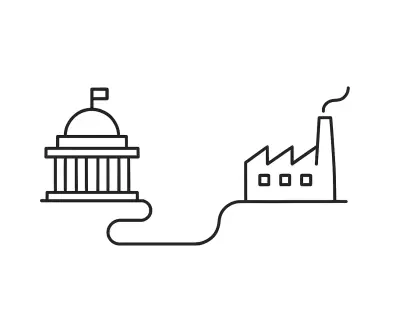

The traditional boundaries of corporate procurement are rapidly dissolving as technology adoption transforms from a matter of operational utility into a high-stakes bargaining chip for multi-billion dollar transactions. In this contemporary business landscape, the “quid pro quo” reality of enterprise deals has taken on a more aggressive form where software subscriptions are no longer evaluated on their own merits but are used as tactical leverage to secure broader commercial objectives. This shift signals the arrival of a phenomenon known as relationship-based vendor coercion, where powerful market actors bypass established IT governance to force the adoption of specific tools. As the race for artificial intelligence dominance intensifies, this practice has moved from the fringes of niche industries into the heart of global finance and manufacturing.
The significance of this trend cannot be overstated in today’s context, as the rise of “must-have” AI technologies coincides with a massive consolidation of corporate power. When a vendor holds the keys to a critical infrastructure project or a lucrative financial offering, the temptation to bundle unrelated technology services becomes nearly irresistible. This dynamic creates a fundamental tension for the modern Chief Information Officer, who must navigate a world where a technology stack might be mandated by a board of directors or a strategic partner rather than being selected by a team of engineers. Exploring the underlying market data, examining the high-profile SpaceX precedent, and analyzing the specific risks associated with coerced AI integration reveals a landscape where strategic frameworks are the only protection against systemic infrastructure failure.
The Rise of Strategic Leverage in Procurement
Market Dynamics and Emerging Pressure Patterns
The evolution of “reciprocal commercial arrangements” marks a departure from simple product bundling toward a more sophisticated and high-pressure form of coercion. Recent adoption statistics suggest that enterprises are increasingly finding themselves in positions where software acquisition is a “deal-contingent” requirement rather than a choice driven by technical need. This shift is particularly visible in the way emerging tech vendors seek to gain enterprise footprints, often using their influence within broader corporate ecosystems to demand a seat at the table. Instead of competing on the traditional pillars of cost-effectiveness or superior functionality, these vendors leverage their existing relationships with parent companies or major shareholders to mandate adoption across a wide range of subsidiaries and partners.
Moreover, the influence of private equity has accelerated this trend, with data showing that investors are increasingly mandating specific software stacks across their entire portfolios regardless of the technical fit for individual companies. This top-down approach to procurement is designed to create a unified data environment and maximize the valuation of the portfolio’s favored tech assets. However, for the organizations on the receiving end of these mandates, the result is often a bloated software budget and a suite of tools that fail to integrate with legacy systems. The growth trend toward “deal-contingent adoption” reflects a market where the value of a tech company is measured not by how many customers choose its product, but by how many organizations are forced to use it through strategic pressure.
The SpaceX Precedent and Real-World Applications
A stark illustration of this coercive dynamic surfaced through the Grok and SpaceX case study, which detailed how xAI subscriptions reportedly became a pivotal negotiating point for banks vying for a role in the SpaceX initial public offering. In this scenario, the financial scale of the potential deal was so massive that the cost of a software subscription seemed negligible to the bankers involved. When the prospective fees for a single financial transaction reach toward the $500 million mark, the requirement to purchase a few million dollars in software is viewed by dealmakers as a simple cost of doing business. This environment creates an intentional bypassing of IT security vetting, as the urgency of the deal outweighs the standard protocols designed to protect the firm’s digital infrastructure.
Beyond the world of high finance, supply chain mandates are providing similar examples of dominant customers forcing specific platforms on their providers under the guise of “streamlining” or “compliance.” Large-scale manufacturers often demand that their entire network of suppliers adopt a specific cloud platform or AI-driven logistics tool to maintain their standing in the supply chain. While these requirements are frequently presented as a way to improve interoperability, they often serve to lock suppliers into a specific vendor’s ecosystem, creating a dependency that is difficult to break. This form of coercion shifts the burden of software costs and integration risks onto smaller partners who have little choice but to comply if they wish to keep their most important contracts.
Expert Perspectives on Governance Erosion
The rise of relationship-based coercion has triggered what industry thought leaders are calling a “governance crisis” within the enterprise. When technology decisions are decoupled from technical merit, the internal authority of the IT department is severely compromised, leading to a situation where the CIO’s dilemma becomes a daily struggle between business expediency and technical integrity. Experts warn that when an executive mandate overrides the standard evaluation process, the organization loses its ability to perform due diligence on security, scalability, and long-term viability. This erosion of governance doesn’t just result in bad software choices; it fundamentally weakens the organization’s ability to defend its infrastructure against future threats.
Security implications are particularly dire in the context of “data sovereignty,” as expert warnings highlight how coerced adoption leads to undefined access boundaries. When a tool is introduced into an environment through a high-stakes deal, the typical security review—which can take months—is often condensed into a few days or skipped entirely. This lack of oversight means that third-party vendors may gain access to sensitive internal data without the necessary safeguards in place to monitor how that data is used or stored. Furthermore, the AI catalyst heightens these risks significantly because modern AI tools are inherently data-hungry and require deep integration into core data pipelines. Unlike traditional SaaS applications that can exist in a silo, AI must be “fed” internal data to be useful, making the stakes of a coerced adoption much higher than they were a decade ago.
The Future of Relationship-Driven Technology
The long-term implications of this trend point toward a future characterized by massive “budget distortion” and the accumulation of debilitating technical debt. As organizations continue to fund redundant or non-essential tools to satisfy deal requirements, the capital available for genuine innovation begins to dry up. This leads to a fragmented ecosystem where a single enterprise might maintain three or four different AI chatbots or cloud platforms simply because different business units were pressured into adopting them by different partners. The resulting technical debt is not just a financial burden but a functional one, as IT teams must spend more time managing the complexity of redundant systems and less time improving the core business architecture.
Reflecting on the threat of “Shadow AI,” it becomes clear that executive-mandated tools could lead to a permanent breakdown in procurement integrity and an increase in systemic failures. When the leadership of an organization demonstrates that the rules of procurement do not apply to them, it encourages a culture where every department feels empowered to bypass IT. This leads to an environment where the CIO has no visibility into the organization’s total digital footprint, making it impossible to respond effectively to cyberattacks or regulatory changes. In response, governance frameworks must adapt by implementing “Influence Registers” and mandatory “Risk Acceptance” documentation for all executive mandates. This would force leadership to formally acknowledge the risks they are introducing into the environment, potentially slowing the move toward forced, fragmented ecosystems and helping IT leaders successfully reassert their role as the gatekeepers of digital health.
Conclusion: Safeguarding the Enterprise Infrastructure
The evolution of relationship-based vendor coercion proved to be a transformative force that redefined the intersection of business strategy and technical governance. By moving beyond transparent commercial bundling into the realm of coercive tying, large-scale vendors and dominant corporate actors challenged the very foundation of how organizations made technology choices. It became evident that when a “quid pro quo” dynamic was allowed to dictate software adoption, the long-term health of the enterprise was frequently sacrificed for short-term transactional gains. This trend necessitated a shift in how the industry viewed the procurement lifecycle, moving away from a purely financial evaluation toward a more holistic assessment of organizational sovereignty.
Actionable steps were required to ensure that the “governance engine” remained functional even under the most extreme pressure of high-stakes deals. Technology leaders found that implementing “fast-track” review paths was essential to keeping pace with business demands without abandoning security principles. These accelerated paths allowed for a rapid but thorough analysis of a tool’s impact, ensuring that at least the most critical security and data privacy questions were answered before any integration began. Additionally, the enforcement of strict access boundaries emerged as a primary defense, ensuring that any tool adopted under external pressure was granted only the minimum level of access required to function, thereby protecting the broader network from potential vulnerabilities.
Ultimately, the most successful organizations were those that treated every coercive request as a documented risk event rather than a routine business decision. By requiring executive sponsors to sign formal risk acceptance letters, CIOs were able to shift the conversation from a simple financial trade-off to a serious discussion about the long-term integrity of the digital environment. This practice introduced a necessary level of friction into the coercion process, forcing leaders to weigh the benefits of a deal against the potential for data breaches, technical debt, and system failure. As the industry moved forward, these defensive frameworks provided the necessary guardrails to maintain a healthy and secure infrastructure in an era where technology had become the ultimate bargaining chip. Turning the focus back to whether a tool was truly the right choice for the specific environment allowed IT leaders to protect the enterprise from the unintended consequences of relationship-driven procurement.