
A record-breaking investment of two hundred thousand dollars is fueling the 2027 expansion of professional pathways for artists living with disabilities across Australia. This milestone initiative serves as a structural response to the long-standing exclusion of deaf and disabled creative practitioners from the high-level professional sphere. By bridging the gap between talent and opportunity, the NSW Createability Internship Program has evolved into a cornerstone of the regional creative economy. This specific effort is not merely a philanthropic endeavor; rather, it is a calculated investment in the richness of the nation’s cultural fabric. Through a robust partnership involving Create NSW, Sound NSW, and Screen NSW, alongside the primary advocacy group Accessible Arts, the program provides tangible, paid avenues for professional growth. This collaborative framework ensures that participants are not navigating their careers in isolation but are instead supported by a network of industry leaders committed to genuine systemic change.
Expanding Opportunities: Increased Funding and Support
How the 2027 Expansion Benefits Creatives
The 2027 iteration represents a season of unprecedented scale, bolstered by a significant co-investment that demonstrates a growing commitment to diversity. This financial boost, reflecting a thirty-three percent increase over previous cycles, allows for the creation of up to twenty-two internship placements. These roles are not confined to traditional artistic production but extend into the vital machinery of the creative economy, including digital content creation, event management, and technical operations. By offering both four-week and eight-week durations, the program provides flexibility that accommodates various professional needs while ensuring deep immersion in the host’s organizational culture. This breadth of choice enables practitioners to align their specific skill sets with industry demands, whether they are focused on marketing a major festival or managing the complex logistics of a television broadcast. This expansion reflects a maturing understanding that inclusion requires both financial backing and diverse role availability.
Flexibility as a Professional Catalyst
Beyond the financial commitments, the structural design of these internships emphasizes the removal of physical and cognitive barriers through tailored workplace adjustments. This approach moves beyond generic accessibility to address the specific requirements of each individual practitioner, ensuring that the work environment is an enabler of talent rather than a hindrance. By prioritizing these modifications, host organizations facilitate a space where deaf and disabled creatives can contribute at their highest potential without the burden of navigating inaccessible infrastructure. Such structural flexibility serves as a critical differentiator in professional development, transforming what might have been a short-term placement into a sustainable catalyst for career advancement. When organizations proactively address accessibility, they demonstrate that inclusion is a functional necessity rather than a secondary consideration. This systemic shift ensures that the creative sectors are not just inviting diverse talent into the room but are actively preparing the room for that talent to succeed.
Building a Collaborative Network: Industry Partners
The Role of Major Host Organizations
The enduring success of this initiative is deeply intertwined with the commitment of a growing network of host organizations that have integrated inclusive practices into their core operations. High-profile returning partners, such as the Australian Broadcasting Corporation and the Special Broadcasting Service, provide interns with exposure to the fast-paced world of national media production. These broadcasters, through departments like triple j and SBS Children and Family, offer a platform for practitioners to engage with large-scale projects that have a significant public impact. By incorporating these internships into their long-term strategic planning, such organizations foster an environment where diverse perspectives are valued as a primary creative asset. This integration signals a shift from viewing accessibility as a compliance obligation to recognizing it as a source of cultural and operational strength. As these organizations continue their participation, they set a standard for the broader industry to follow in creating more representative workforces.
Regional Expansion and Specialized Disciplines
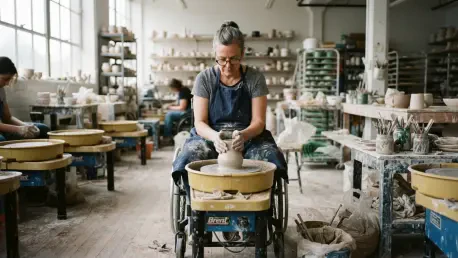
In the current cycle, the program has successfully broadened its reach by welcoming new partners that represent a wider spectrum of the creative and cultural sectors. Major events like Vivid Sydney have joined the initiative, alongside specialized entities such as the Kil.n.it Experimental Ceramics Studio and the Gosford Regional Gallery. This expansion is particularly significant as it extends professional opportunities into regional areas like the Northern Rivers and the Central Coast, ensuring that geographic location does not limit career potential. By including production houses like Northern Pictures and Cheeky Little Media, the program offers a window into the niche worlds of animation and documentary filmmaking. This diversity of hosts ensures that interns gain specialized knowledge across varied disciplines, from high-end visual production to regional artistic curation. The broadening of this network demonstrates a collective industry consensus that diverse talent is essential for the continued evolution and vibrancy of the Australian creative landscape.
Transforming Culture: Training and Mentorship
Training Support From Accessible Arts
A critical component of the program’s efficacy is the comprehensive support system managed by Accessible Arts, which facilitates training for both the interns and their respective host organizations. This dual-sided approach ensures that everyone involved is equipped with the knowledge and tools necessary for a successful collaboration. For host organizations, this training involves a deep dive into inclusion strategies that help dismantle the invisible barriers that often exist within corporate and creative structures. By educating the existing workforce, Accessible Arts helps to foster a culture of empathy and practical accessibility that extends far beyond the duration of the internship. This educational foundation is vital for preventing misunderstandings and ensuring that the adjustments made for an intern are seamlessly integrated into the daily operations of the company. Consequently, host organizations often report a noticeable improvement in overall workplace communication and efficiency after participating in these specialized training sessions.
Leadership Perspectives on Strategic Diversity
Leadership across the NSW creative agencies views this program not just as an equity initiative, but as a strategic tool for talent discovery and long-term industry health. Key figures such as Kerri Glasscock of Create NSW and Kylie Munnich of Screen NSW emphasize that minor workplace adjustments can often unlock immense potential that has been historically overlooked. This perspective is echoed by Emily Collins of Sound NSW, who advocates for a music industry that truly reflects the diversity of its audience. By positioning accessibility as a strategic advantage, these leaders are encouraging a shift in how talent is scouted and nurtured across the state. The program serves as a laboratory for inclusive practices, demonstrating that when barriers are removed, the resulting creative output is more nuanced and representative. This visionary approach ensures that the creative sector remains resilient and relevant in an increasingly globalized market. The focus remains on building a sustainable ecosystem where every creative voice has the opportunity to be heard.
Measuring Success: Real Career Outcomes
Tangible Results for Program Participants
The real-world impact of the Createability program is most evident in the professional trajectories of its alumni, many of whom have secured significant roles following their placements. A notable example is Bianca Yeung, whose time at Lingo Pictures catalyzed a series of career milestones, including writing for global streaming platforms like Netflix and Paramount. Her success story demonstrates how a single, supported opportunity can lead to a consistent stream of freelance work and the development of original creative projects. This “chain reaction” of success is a common theme among participants who use the program as a launching pad for long-term career stability. Similarly, Tom North’s associate producer role at Powerhouse Youth Theatre allowed him to leverage his unique perspectives to enhance the company’s creative output, proving that the program is equally effective at developing leadership talent. These individual achievements highlight the transformative power of professional pathways that prioritize individual needs alongside creative excellence.
Future Pathways for Inclusive Creative Ecosystems
Recent data confirmed the high efficacy of this initiative, with surveys indicating that every participant experienced a positive career impact and most secured follow-up employment. This success illustrated the critical need for continued investment in tailored professional pathways that prioritized accessibility alongside artistic merit. The program effectively bridged the historical gap between marginalized talent and the mainstream creative workforce, creating a blueprint for other sectors to replicate. Industry leaders recommended that organizations wanting to foster inclusivity began by conducting internal audits of their physical and digital accessibility before inviting new talent. It was also noted that the most successful hosts were those who viewed workplace adjustments as permanent improvements to their operational culture rather than temporary accommodations. By reflecting on these outcomes, the creative sector gained a clearer understanding of how to sustain a diverse workforce. These efforts ensured that the Australian arts community became more representative and robust in the years that followed.