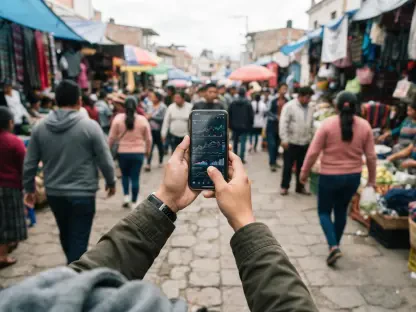

Strict new regulations on multi-channel networks are professionalizing the influencer industry while simultaneously making social commerce more expensive for brands to navigate. The Singles’ Day shopping festival, popularly known as Double-11, has transitioned from a frantic 24-hour flash sale into a multi-week marathon that serves as a vital pulse check for the Chinese economy. While the era of explosive double-digit growth has settled into a more mature phase, the festival remains the ultimate testing ground for logistical innovation and brand endurance. Recent data shows a steady 4.8% growth in Gross Merchandise Volume, signaling a market that is evolving rather than slowing down. This evolution reflects a broader shift in how Chinese consumers interact with digital platforms. As the festival expands, it highlights the narrowing gap between online convenience and physical retail reliability. While e-commerce captures over a quarter of all retail activity, the relationship between digital storefronts and traditional brick-and-mortar outlets is becoming increasingly symbiotic, particularly for high-value items that require a physical touchpoint. The modern Double-11 landscape is defined by a move away from complexity toward a frictionless user experience. Platforms are stripping away the convoluted, gamified discount systems of the past in favor of transparent pricing and immediate value. This strategic pivot aims to recapture the trust of a consumer base that is becoming more cautious, value-oriented, and tech-savvy.
Analyzing Market Performance: Sector Growth
Economic Indicators: Retail Dynamics
The recent performance of Double-11 serves as a critical benchmark, with its 4.8% growth outperforming the general retail sector’s modest gains. This discrepancy underscores the resilience of the digital economy even as broader consumption patterns stabilize nationwide. While physical stores still handle the majority of total retail sales, e-commerce remains the primary engine driving year-over-year increases, particularly in the consumer electronics and prestige beauty sectors. Total Gross Merchandise Volume reached ¥1,776.4 billion during the 2026 festival period, demonstrating that the appetite for high-quality goods remains robust despite a more calculated approach to spending. Analysts note that this 4.8% figure is significantly higher than the 1.1% growth seen in the broader retail environment earlier in the year, suggesting that major shopping festivals still possess the gravity required to pull consumer interest and liquidity back into the marketplace.
The shifting balance between digital and physical commerce indicates that the market is reaching a state of high-level equilibrium. Currently, online retail accounts for approximately 25.7% of total retail sales, leaving a substantial portion of the economy in the hands of traditional brick-and-mortar operators. This persists because high-ticket items, such as luxury automobiles and specialized home appliances, often require the hands-on inspection and after-sales service that only a physical presence can provide. However, the boundary between these two worlds is blurring as omnichannel strategies become the standard. Brands are no longer viewing online platforms as mere sales channels but as discovery engines that drive traffic to physical locations for the final transaction. This synergy allows for a more holistic view of the consumer journey, where the convenience of the digital storefront is supported by the reliability and prestige of a flagship physical store.
The Rise of Instant Fulfillment: Rapid Delivery
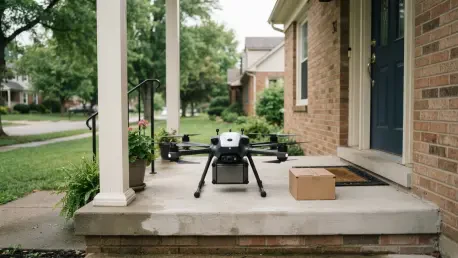
One of the most significant shifts in the e-commerce landscape is the explosive growth of instant retail, which delivers products to consumers in under an hour. This trend highlights a growing demand for immediacy that traditional three-day shipping models cannot meet, particularly for urban dwellers with fast-paced lifestyles. Instant retail platforms saw a staggering 33% growth, reaching a volume of ¥89.1 billion, as consumers increasingly turned to these services for daily necessities, fresh groceries, and even high-end electronics. This shift in behavior suggests that the concept of convenience is being redefined; it is no longer enough to offer a low price if the product cannot be integrated into the consumer’s life almost immediately. Large-scale platforms are responding by integrating local warehouse networks and automated delivery systems to shrink the time between the digital click and the doorbell ring.
Conversely, the decline of community group buying suggests that pandemic-era habits of bulk, neighborhood-based purchasing are giving way to more individualized and high-speed service options. This segment experienced a contraction of 7.4%, totaling only ¥8.3 billion, as the logistical infrastructure of major cities returned to full efficiency and individualized delivery became more cost-effective. The move away from community group buying indicates a normalization of shopping habits where consumers prioritize personal choice and specific brand loyalty over the communal discounts associated with bulk neighborhood orders. As the logistical networks of major players like JD.com and Alibaba become more sophisticated, the need for intermediary community organizers has diminished, allowing brands to establish direct relationships with their end users. This transition marks a more professionalized stage of the market where efficiency and data-driven logistics take precedence over socially-led grassroots distribution models.
Strategic Innovations: Platform Mechanics
Simplifying the Consumer Path: Direct Incentives
Leading platforms like Tmall, JD.com, and Douyin have recognized that coupon fatigue has significantly hindered sales and damaged the overall user experience. To combat this, they have implemented official discounts and instant markdowns that apply automatically at checkout, moving away from “spend more, save more” schemes that required shoppers to manage multiple virtual wallets and time-sensitive vouchers. By removing the need for complex mathematical calculations, these platforms are successfully reducing cart abandonment and fostering a more straightforward shopping environment that prioritizes the customer’s time. This shift toward simplicity is a direct response to a more sophisticated consumer base that values transparency and ease of use over the thrill of a gamified hunt for the lowest possible price. The focus has shifted toward building a relationship of trust where customers feel they are getting a fair deal without having to jump through hoops.
This strategic simplification is also a defensive measure against the rising cost of user acquisition and the fragmentation of the digital attention span. In an era where shoppers are bombarded with content from multiple sources, the platform that offers the most frictionless path to purchase often wins the conversion. Tmall’s decision to replace cross-store spending requirements with direct point-of-sale discounts has been particularly well-received, as it allows consumers to make smaller, more frequent purchases across different categories without losing the benefit of the promotion. Similarly, JD.com’s emphasis on “in-stock delivery” ensures that the promise of a discount is backed by the physical availability of the product, preventing the frustration of backorders and shipping delays. This focus on the “last mile” of the promotional experience ensures that the festival remains a positive touchpoint for the brand rather than a source of logistical or financial confusion for the buyer.
Integration of Generative AI: Virtual Assistants
Artificial Intelligence has transitioned from a back-end logistical tool to a high-visibility sales assistant that actively shapes the shopping experience. AI-powered chatbots and virtual shopping assistants now engage millions of users, providing personalized product recommendations and completing transactions within chat interfaces without ever requiring the user to navigate a traditional menu. JD’s AI assistant, Dongdong, reportedly attracted nearly 80 million unique users during the festival, which is triple the engagement seen in the previous year. These tools are sophisticated enough to analyze a user’s past behavior, preferences, and even their tone of voice to offer suggestions that feel curated rather than automated. This level of integration creates a tailored shopping experience that mimics the attentiveness of high-end offline boutiques, effectively lowering the barrier to purchase for tech-literate consumers who demand high-speed personalization.
The impact of generative AI extends beyond mere customer service; it is fundamentally altering the content creation process for social commerce. Brands are now using AI to generate high-quality product descriptions, short-form video scripts, and even virtual influencers who can host 24-hour livestreams without the overhead costs of human talent. This allows for a massive scale-up in content production, ensuring that a brand can maintain a constant presence across multiple platforms simultaneously. Furthermore, these AI systems can process real-time feedback from viewers to adjust the promotional narrative on the fly, highlighting features or addressing concerns as they arise in the comments section. This agility ensures that marketing efforts remain relevant throughout the entire month-long festival period. As the technology continues to mature, the distinction between a human-led sales pitch and an AI-driven recommendation is becoming increasingly irrelevant to consumers, provided the value proposition remains clear and the interaction feels authentic.
The competition between foreign and domestic brands remains a significant factor in shaping the dynamics of the modern global marketplace
The Challenge: International Giants
Foreign brands face an increasingly competitive environment as domestic Chic or Guochao brands gain momentum across all major product categories. In sectors like sports apparel, traditional global leaders are seeing their market share challenged by local players like Anta and Li-Ning, who have successfully integrated traditional Chinese cultural elements with high-performance technology. For the first time in recent memory, a major global footwear giant slipped out of the top five sports brands in China, indicating that international heritage alone is no longer enough to guarantee dominance. This shift highlights the need for foreign entities to demonstrate a deep, authentic commitment to local culture and regional preferences. The success of domestic brands is built on their ability to react quickly to local trends and their superior understanding of the aesthetic preferences of Gen Z consumers, who view local brands as symbols of national pride and technological parity.
To regain their footing, international companies are being forced to rethink their “global-to-local” strategies, moving toward a model where the Chinese market is treated as a primary source of innovation rather than just a destination for global products. This involves establishing local R&D centers and design studios that can create products specifically for the Chinese consumer from the ground up. For instance, some global apparel brands have found success by pivoting toward the “outdoor lifestyle” trend, which has seen a massive surge in popularity. Brands like The North Face have climbed the rankings by focusing on functional, high-end gear that appeals to the growing segment of consumers interested in camping, hiking, and “glamping.” This suggests that while the general athletic market is becoming saturated with local competitors, specialized niche segments still offer significant opportunities for foreign brands that can provide technical superiority and a distinct brand narrative that domestic players have yet to master.
Success: Prestige and Social Commerce
Despite fierce domestic competition, foreign brands continue to thrive in prestige categories such as high-end skincare and luxury fashion, where European and American heritage still commands a significant premium. The perceived quality and extensive research behind international cosmetic giants provide a moat that local brands are still struggling to cross. International players are also becoming more proficient at navigating social commerce platforms like Douyin and Kuaishou, which were once seen as the exclusive domain of domestic mass-market products. By targeting lower-tier cities with high-quality offerings and leveraging short-video marketing that emphasizes brand stories over price, these brands are finding new avenues for growth beyond saturated Tier-1 cities like Shanghai and Beijing. The performance of Japanese and South Korean beauty brands on Kuaishou this year was particularly notable, as they successfully tapped into the aspirational demand of consumers in emerging urban centers.
The mastery of social commerce by foreign brands is a testament to their adaptability and willingness to invest in local digital expertise. Instead of relying on traditional television ads or print media, these companies are now working with specialized local agencies to create content that resonates with the unique algorithms of Chinese platforms. This includes hosting “brand days” on Douyin that feature high-production-value livestreams and collaborating with a diverse range of influencers who can translate complex brand values into relatable social content. This localized approach allows prestige brands to maintain their aura of exclusivity while still being accessible and engaging in the digital space. The key to their sustained success lies in this delicate balance: maintaining the global brand identity that justifies a premium price while executing a local marketing strategy that feels native to the Chinese digital ecosystem.
Evolving Consumer Psychology: Social Trends
Sentiment-Driven: Emotional Consumption
Modern Chinese consumers are increasingly making purchases based on emotional resonance and vibe-based satisfaction rather than purely functional utility. Products that provide emotional comfort or reflect a specific aesthetic—often focusing on imperfect or relatable themes—are outperforming traditional, feature-heavy items. A prominent example is the “sad pony” plush toy, which became one of the season’s hottest products due to its perceived emotional vulnerability and “ugly-cute” charm. This sentiment-driven consumption highlights a shift toward products that serve as a form of stress relief in a high-pressure social environment. For many young professionals, buying an item that “understands” their mood or provides a sense of companionship is more valuable than owning the latest piece of high-tech hardware. Brands that can tap into these subtle emotional currents are finding that they can command higher loyalty and better margins.
This shift toward emotional consumption is reflected in how products are marketed, as advertisements move away from listing technical specifications toward storytelling that emphasizes the “feeling” of using the product. Whether it is a scented candle that promises a “rainy afternoon in the forest” or a piece of tech that claims to “simplify your mental load,” the focus remains on the psychological impact of the purchase. This trend is particularly evident in the wellness and home fragrance sectors, which have seen rapid growth as consumers look for ways to curate their personal environments as sanctuaries from the outside world. By positioning products as tools for emotional regulation and self-care, brands are moving from being functional providers to becoming lifestyle partners. This shift requires a deep understanding of the prevailing social mood and an ability to respond with products that offer genuine comfort or a sense of identity.
Collectibles: The Entertainment Value
The act of shopping has become a primary form of entertainment, where the process of discovery and the social thrill of the hunt are as important as the purchase itself. Livestreams dedicated to the appraisal and unboxing of rare collectibles or “blind boxes” have turned e-commerce into a form of social currency. This trend bridges the gap between commerce and community as consumers look for products that offer both a physical item and a shared social experience. The excitement of not knowing exactly what is inside a blind box, combined with the ability to trade rare finds with other collectors online, creates a powerful feedback loop of engagement. This “gamification of ownership” has been particularly successful in the toy and stationery sectors, but it is now expanding into high-end fashion and even digital assets as brands look for ways to make every transaction feel like an event.
This focus on entertainment value means that platforms and brands must constantly innovate to keep the user engaged. It is no longer enough to have a functional website; brands must create “digital playgrounds” where users can interact with products in augmented reality, participate in community challenges, and watch high-energy live shows. The success of live streaming is built on this foundation—it is part variety show, part educational seminar, and part auction. The most successful hosts are those who can build a genuine rapport with their audience, making each viewer feel like they are part of an exclusive club. This social dimension of e-commerce transforms the consumer from a passive recipient of goods into an active participant in a brand’s ecosystem. As a result, the value of a product is increasingly tied to the social interactions it generates and the entertainment it provides during the acquisition process.
Transformation: Niche Market Sectors
Addressing Trust: The Pet Economy
As the pet food market expands into a multi-billion-dollar industry, so does the level of consumer scrutiny regarding product authenticity and safety. Pet owners are increasingly skeptical of “imported” labels and demand transparent supply chain data to verify the quality of ingredients. Issues such as “fresh meat” claims being debunked as meat powder have led to a crisis of trust, forcing brands to adopt rigorous testing and certification standards. Brands that can provide “grain-free” or high-protein options and prove their origin through blockchain-based tracking or live-feed factory cameras are gaining a significant competitive edge. This sector is characterized by high trust and high loyalty; once a pet owner finds a brand they trust, they are likely to remain customers for the animal’s lifetime, making the initial investment in transparency highly profitable in the long run.
The professionalization of the pet sector is also giving rise to specialized subcategories, such as pet healthcare supplements and customized nutrition plans. Consumers are no longer satisfied with generic kibble; they are looking for functional foods that address specific health concerns like coat quality, digestive health, and joint mobility. This mirrors the “premiumization” trend seen in human nutrition, where the focus has shifted from calorie count to ingredient quality and functional benefits. Foreign brands that have a history of research in animal science are finding success here, provided they can overcome the skepticism regarding their supply chains. The key for brands in this space is to move beyond marketing slogans and provide verifiable evidence of their product’s efficacy. By engaging with veterinarians and pet influencers to provide educational content, brands can build the necessary credibility to thrive in this increasingly sophisticated and cautious market.
Instant Retail: Alcohol and Tourism
The alcohol industry is undergoing a rapid digital transformation, with wine and spirits increasingly sold through on-demand delivery apps. This shift reflects a move away from pre-planned cellar stocking toward spontaneous social gatherings where the decision to drink is made in the moment. In 2026, instant retail’s share of the alcohol market reached nearly 10%, a massive jump from less than 1% just five years ago. This change is being driven by the rise of membership-based warehouse stores and specialized beverage delivery services that offer chilled delivery within 30 minutes. For brands, this means that the “moment of purchase” is becoming much closer to the “moment of consumption,” requiring a different approach to marketing and packaging. Smaller formats and ready-to-drink (RTD) cocktails are particularly well-suited for this on-demand model, allowing consumers to enjoy a premium experience without the commitment of buying a full bottle.
Similarly, the tourism and experience sector is seeing a rise in “night tours” and cultural experiences, creating new opportunities for brands to engage consumers through experiential marketing and travel-related retail. The “Neo-Chinese night tour” trend, where travelers visit historical sites and participate in traditional nighttime rituals, has become a major driver of consumption during the festival period. This presents a unique opportunity for brands to integrate themselves into the travel experience through pop-up stores, exclusive travel kits, and collaborations with local landmarks. By positioning products as essential companions for these cultural journeys, brands can tap into the emotional and social value that consumers place on travel. This integration of physical travel and digital commerce allows for a more immersive brand experience, where the product becomes a souvenir of a meaningful cultural interaction rather than just another item in a shopping cart.
Marketing Strategies: Fragmented Markets
Hyper-Localization: Regional Nuance
The concept of China as a monolithic market is effectively over; success in 2026 and beyond requires a granular understanding of city-tier segmentation. A consumer’s location dictates not only their purchasing power but also how they discover products and which platforms they trust most. While Tier-1 cities like Shanghai focus on global trends and prestige brands, consumers in Tier-4 provincial towns may be more influenced by local social networks and value-oriented short-video content. Brands are now tailoring their digital content to align with regional dialects and cultural nuances to build deeper connections with diverse audiences. This hyper-localization involves everything from using regional celebrities in advertising to adjusting product formulations to suit local climates and tastes. By acknowledging and celebrating these regional differences, brands can avoid the pitfalls of a one-size-fits-all approach that often fails to resonate outside of major metropolitan hubs.
The logistical challenges of hyper-localization are being addressed through the use of regional distribution centers and localized inventory management. This allows brands to offer different product assortments to different regions based on real-time demand data. For example, a skincare brand might promote heavy moisturizers in dry northern provinces while focusing on oil-control products in the humid south. Furthermore, the marketing narrative can be adjusted to reflect local values and lifestyles; a campaign in a smaller city might emphasize family and community, while a campaign in a Tier-1 city might focus on individual achievement and career success. This level of precision requires a sophisticated data infrastructure and a flexible creative team that can produce a wide variety of localized content. The reward for this complexity is a much higher conversion rate and a more loyal customer base that feels the brand truly understands their specific needs and cultural context.
Optimizing Social Media: Platform ROI
The landscape of social commerce is fragmenting into specialized platforms, each serving a distinct demographic and psychological need. For instance, brands targeting urban, high-spending female audiences often find a better return on investment on community-based platforms like Xiaohongshu compared to mass-market video apps like Douyin. Xiaohongshu’s trust-based model, where users share authentic reviews and lifestyle tips, is particularly effective for international brands that require more storytelling and educational content. Choosing the right platform involves balancing the need for high-volume exposure with the goal of building long-term community advocacy. Successful brands are those that do not simply repurpose the same content across all channels but instead create native experiences that respect the unique culture and user expectations of each specific platform.
This platform optimization requires a sophisticated approach to data analytics to accurately track the true ROI of social commerce. Traditional metrics like “likes” and “views” are being replaced by more meaningful data points such as “community engagement” and “incremental sales lift.” Brands are using advanced attribution models to understand how a post on Xiaohongshu might lead to a search on Tmall and an eventual purchase in a physical store. This holistic view of the consumer journey allows brands to allocate their marketing budgets more effectively, shifting resources toward the platforms and influencers that drive real business results. As the cost of social media marketing continues to rise, the ability to identify and exploit these high-ROI niches is becoming a critical competitive advantage. Brands are increasingly moving away from “spray and pray” marketing toward a more surgical approach that prioritizes quality of interaction over quantity of reach.
Professionalization: Influencer Networks
Multi-channel networks and influencers are facing stricter regulations from both the government and the platforms themselves, leading to a more professionalized but costly marketing environment. The Wild West era of unregulated livestreaming—characterized by inflated follower counts and unsubstantiated product claims—is being replaced by a system that demands higher compliance, transparency, and brand alignment. Brands must now be more selective in their partnerships, moving away from one-off transactional deals with “top-tier” celebrities toward long-term relationships with “KOCs” (Key Opinion Consumers) who have smaller but more loyal and engaged audiences. This shift is driven by the need to ensure that marketing efforts contribute to long-term brand equity rather than just short-term spikes in sales. Professionalized MCNs now provide comprehensive services, including content strategy, regulatory compliance, and detailed performance analytics, making them indispensable but more expensive partners.
The increased cost of influencer marketing is forcing brands to become more creative in how they use their human assets. Instead of just “selling” products, influencers are now being used as brand consultants, providing feedback on product development and helping to shape the brand’s overall narrative. This deeper level of collaboration ensures that the influencer’s content feels authentic and that the product truly resonates with their audience. Furthermore, the professionalization of the industry has led to the rise of specialized influencers who focus on niche categories like pet nutrition, high-end audio, or sustainable fashion. These experts provide a level of credibility that generalist celebrities cannot match, making them highly valuable for brands in technical or prestige sectors. As the industry matures, the focus has shifted from “who has the most followers” to “who has the most authority,” a change that benefits brands with high-quality products and a clear value proposition.
Strategic Directions: Navigating and Mastering the Evolution of the Future Retail Landscape
The 2026 Double-11 festival successfully moved beyond the frantic growth models of the past and established a new baseline for a maturing digital economy. The steady 4.8% growth in Gross Merchandise Volume provided clear evidence that the market remained resilient, even as consumers adopted more calculated and value-oriented shopping behaviors. Platforms and brands that recognized this shift and simplified their promotional strategies were rewarded with higher conversion rates and improved customer satisfaction. The removal of complex gamified systems and the integration of direct, transparent pricing demonstrated a respect for the consumer’s time and intelligence, which has become a vital component of brand loyalty in an increasingly crowded marketplace. This year, the festival proved that longevity in the Chinese market depended more on the quality of the user experience than on the sheer volume of the discount.
Logistical and technological innovations were the primary drivers of success, with instant retail and generative AI fundamentally altering the path to purchase. The rise of sub-one-hour delivery and the widespread adoption of AI shopping assistants like Dongdong showed that immediacy and personalization were no longer optional features but core requirements for competitive commerce. Furthermore, the shift toward emotional and sentiment-driven consumption highlighted a deeper psychological change in the Chinese consumer base, where products were valued for their spiritual comfort and aesthetic resonance. Brands that navigated these complex cultural currents—while managing the fragmentation of the social media landscape and the rising costs of professional influencer networks—emerged from the festival with stronger market positions. Ultimately, the 2026 festival period demonstrated that the future of e-commerce lay in the seamless integration of high-tech efficiency and deep human connection.