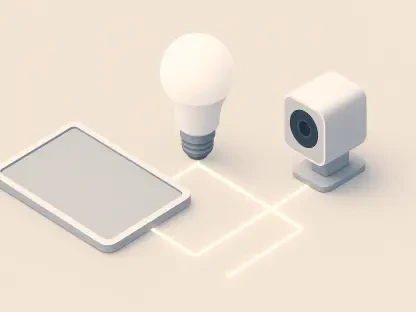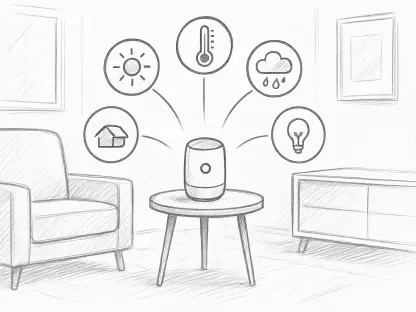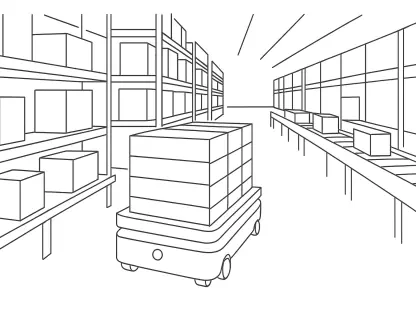

Modern households now utilize unified ecosystems where security cameras and smart plugs communicate seamlessly to automate repetitive daily tasks. This digital integration has moved beyond the realm of novelty gadgets, becoming a foundational expectation for residential infrastructure as hardware

Global technology leaders are now competing on the strength of cross-device synergy rather than the mechanical reliability or isolated performance of individual hardware products. At the IFA 2026 trade show in Berlin, the atmosphere shifted from traditional home appliance showcases to a
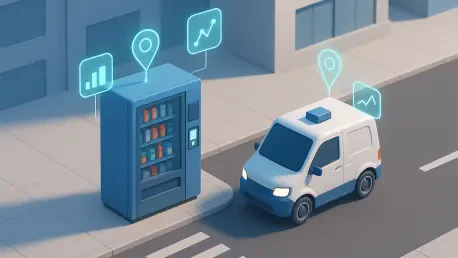
Instead of visiting every machine on a route, drivers now use predictive data to identify which specific units actually require replenishment or maintenance. This shift marks a significant departure from the traditional vending model where technicians followed rigid schedules regardless of the
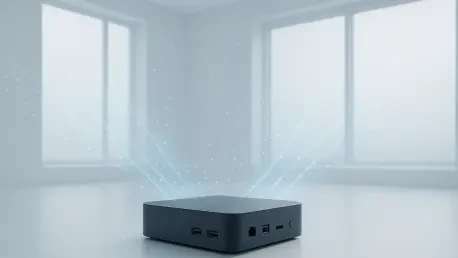
The burden of proof rests on LinknLink to demonstrate that their device processes natural language commands strictly within the home rather than routing data to the cloud. Current consumer sentiment indicates a massive shift toward digital sovereignty, where homeowners prioritize hardware that

Cloud-based deployments now represent 42 percent of the retail IoT market, providing the infrastructure needed for real-time decision-making and large-scale data analysis. This shift is characterized by the seamless integration of sensor arrays and radio-frequency identification systems that allow

China Mobile alone reported nearly 1.48 billion IoT connections by late 2025, setting a global benchmark for scale and implementation speed that Western providers are struggling to match. This staggering figure illustrates a fundamental shift in the global enterprise landscape, where the Internet